
Executive Summary
On August 12, 2026, the global landscape is defined by a convergence of severe natural disasters, escalating geopolitical friction, and significant market turbulence. The humanitarian crisis in Colombia remains the dominant headline, with the death toll from the magnitude 7.4 earthquake striking the Chocó department on August 10 rising to at least 254, accompanied by thousands injured and over 4,100 missing. Simultaneously, geopolitical tensions have intensified sharply; reports of a closure of the Strait of Hormuz due to deadlocked US-Iran negotiations have pushed Brent crude above $89 per barrel, while the looming August 19 deadline for US-Canada trade negotiations threatens severe economic disruption to the CUSMA framework.
Financial markets closed lower across the United States on August 11, with the S&P 500 falling to 7,728.20 and the Nasdaq declining 0.60%, driven by a combination of fading peace hopes, AI capital expenditure anxiety, and geopolitical risk premiums. Cryptocurrency markets faced downward pressure with Bitcoin dropping below $64,000. Amidst these challenges, the day also brings a rare celestial event: a total solar eclipse visible across eastern Greenland, western Iceland, and northern Spain, casting a path of totality over parts of Europe and the North Atlantic.
Global Disasters and Humanitarian Crises

Colombia Earthquake: A National Tragedy Unfolds
The most critical development of the day is the ongoing humanitarian catastrophe in Colombia. The magnitude 7.4 earthquake that struck the Chocó department on August 10 has resulted in a catastrophic loss of life and infrastructure. As of August 12, the confirmed death toll has risen to at least 254, with over 2,500 injuries reported and a terrifying 4,100+ individuals still missing 3. The disparity between confirmed deaths and missing persons suggests the toll may rise further as rescue operations gain access to remote and severely damaged areas.
The disaster has caused widespread structural collapse, with buildings crumbling and homes destroyed across the affected region. The infrastructure damage is so severe that over 10 airports have sustained damage, leading to suspended flights and complicating the logistics of aid delivery. In response, the Colombian government has declared a national disaster, enforced curfews in major affected cities including Cali and Pereira, and deployed military personnel alongside specialized rescue teams to manage the crisis 3, 4.
The cultural and economic ripple effects are already visible. Major cultural and sporting events, including a prominent music festival and professional football matches, have been suspended nationwide in a show of solidarity and resource reallocation. The United States has pledged $15.5 million in humanitarian aid to support relief efforts 3. This event underscores the seismic vulnerability of the Chocó region and highlights the challenges of disaster response in areas with difficult terrain and limited resilient infrastructure.
Canadian Wildfire and Bangladesh Flooding
Beyond Colombia, other regions are grappling with environmental extremes. In Canada, a rapidly expanding wildfire in Summerland, British Columbia, has forced the evacuation of thousands of residents due to explosive fire behavior 4. This incident adds to the growing list of wildfire events straining Canadian emergency services and raises concerns about air quality and property loss in the Pacific Northwest.
In South Asia, severe monsoon rains have triggered widespread flooding across Bangladesh, displacing communities and placing immense strain on regional relief efforts 9. The flooding in Bangladesh serves as a stark reminder of the country's chronic vulnerability to climate-related water events, which threaten agriculture, water supplies, and public health in densely populated areas.
US Public Health Advisory
Domestically, US health officials have issued advisories regarding a Cyclospora outbreak, prompting warnings to consumers and healthcare providers 9. While less catastrophic than the international disasters, this outbreak highlights the ongoing need for vigilance in food safety and public health monitoring.
Geopolitical Flashpoints
US-Iran Tensions and the Strait of Hormuz
Geopolitical tensions between the United States and Iran have reached a critical juncture. Reports indicate that President Donald Trump secretly switched aircraft in Turkey amid escalating Iranian threats, signaling the high-stakes nature of the diplomatic environment 4, 9. More alarmingly, reports of a closure of the Strait of Hormuz have emerged, significantly heightening risks for global energy markets and shipping traffic 4, 10.
Iran has issued maximalist demands, including comprehensive sanctions relief and the release of frozen assets, while actively disrupting shipping traffic in the strait 4, 10. The closure of the Strait of Hormuz, through which a significant portion of the world's oil supply passes, would have profound implications for global energy security. This development is directly reflected in commodity markets, with Brent crude surging above $89 per barrel as traders price in the risk of supply disruption 5.
US-Canada Trade Negotiations: The August 19 Deadline
In North America, the focus is on the critical trade negotiations between the United States and Canada. Officials from both nations are actively mapping a potential deal to present to President Trump before the August 19 deadline 4. However, the atmosphere is fraught with tension; Canada's lead negotiator has warned that existing tariffs could halt talks, indicating that the bargaining positions remain far apart.
The economic stakes are immense. A new report from the Canadian American Business Council warns that a collapse of CUSMA could cost Canada over 100,000 jobs and up to $1 trillion in economic value 4. This looming deadline continues to weigh heavily on cross-border economic sentiment, with analysts emphasizing the severe fiscal risks associated with a breakdown in the trade agreement. The market impact of this uncertainty is evident in the broader sentiment driving equity sell-offs and commodity volatility.
Markets and Business Analysis
US Equities: A Second Consecutive Session of Losses
US financial markets closed lower for a second consecutive session on August 11, reflecting a combination of macroeconomic caution and sector-specific headwinds. The S&P 500 fell 0.32% to close at 7,728.20, while the Dow Jones Industrial Average dropped 0.34% to 53,791.85 2, 3. The Nasdaq Composite declined more sharply, falling 0.60%, driven by weakness in technology and consumer stocks 2.
The technology sector faced notable pressure, with Alphabet dropping nearly 4% on news of AI segment restructuring, and Amazon posting declines 2. This sell-off in mega-cap tech reflects growing anxiety over AI capital expenditure ahead of the earnings season, as investors question the near-term returns on massive infrastructure investments. Conversely, financials and industrials provided some support; JPMorgan and Caterpillar posted gains, suggesting a rotation into value and defensive sectors amid uncertainty 2.
Macro Indicators and Commodities
The macroeconomic backdrop is mixed. A soft jobs report has eased immediate fears of aggressive rate hikes, providing a modest floor for market sentiment 5. However, this relief is outweighed by geopolitical and sector-specific risks. The reported closure of the Strait of Hormuz has pushed Brent crude above $89 per barrel, introducing a significant energy price risk that could dampen consumer spending and corporate margins 5.
Cryptocurrency markets have faced downward pressure, with Bitcoin dropping below $64,000. This decline is attributed to rising energy costs, which increase the expense of mining operations, and anticipation of the upcoming CPI report, which may influence monetary policy expectations 5. The correlation between energy prices and crypto assets remains a key dynamic to watch as the week progresses.
Global Markets: Divergent Performance
Global markets displayed mixed performance. In Asia, Japan's Nikkei 225 rose 0.81%, bucking the trend of declining Shanghai and Hang Seng indices 4. This divergence highlights the varying degrees of exposure to US-Iran tensions and trade uncertainties across Asian economies.
European markets also showed divergence; the DAX gained 0.26%, while the FTSE 100 and OMX Stockholm declined 4. The mixed European performance suggests that investors are weighing domestic economic factors against the backdrop of global geopolitical risks.
Indian Equities: Sensitivity to Global Cues
Indian markets mirrored the global risk-off sentiment. The Sensex crashed approximately 341 points, and the Nifty slipped to around 24,350 2. The sell-off was largely driven by fading hopes for a US-Iran peace deal, which would have alleviated energy price pressures, and sector-specific volatility, including notable moves in Larsen & Toubro 2. The Indian market's reaction underscores its sensitivity to global energy prices and geopolitical stability, particularly given India's reliance on oil imports.
India: National and Political Developments
Legislative Activity and Foreign Policy
In India, the Lok Sabha passed multiple bills without debate, including a controversial name alteration bill 1, 5. The lack of debate has drawn criticism and raised questions about the legislative process and the handling of sensitive cultural issues.
On the foreign policy front, India has stated that the current border situation will dictate the overall trajectory of its ties with China 5. This stance indicates that diplomatic relations remain contingent on security dynamics along the border, reflecting the ongoing strategic competition in the region.
Science and Nature: The Total Solar Eclipse

A Celestial Event of Rare Path
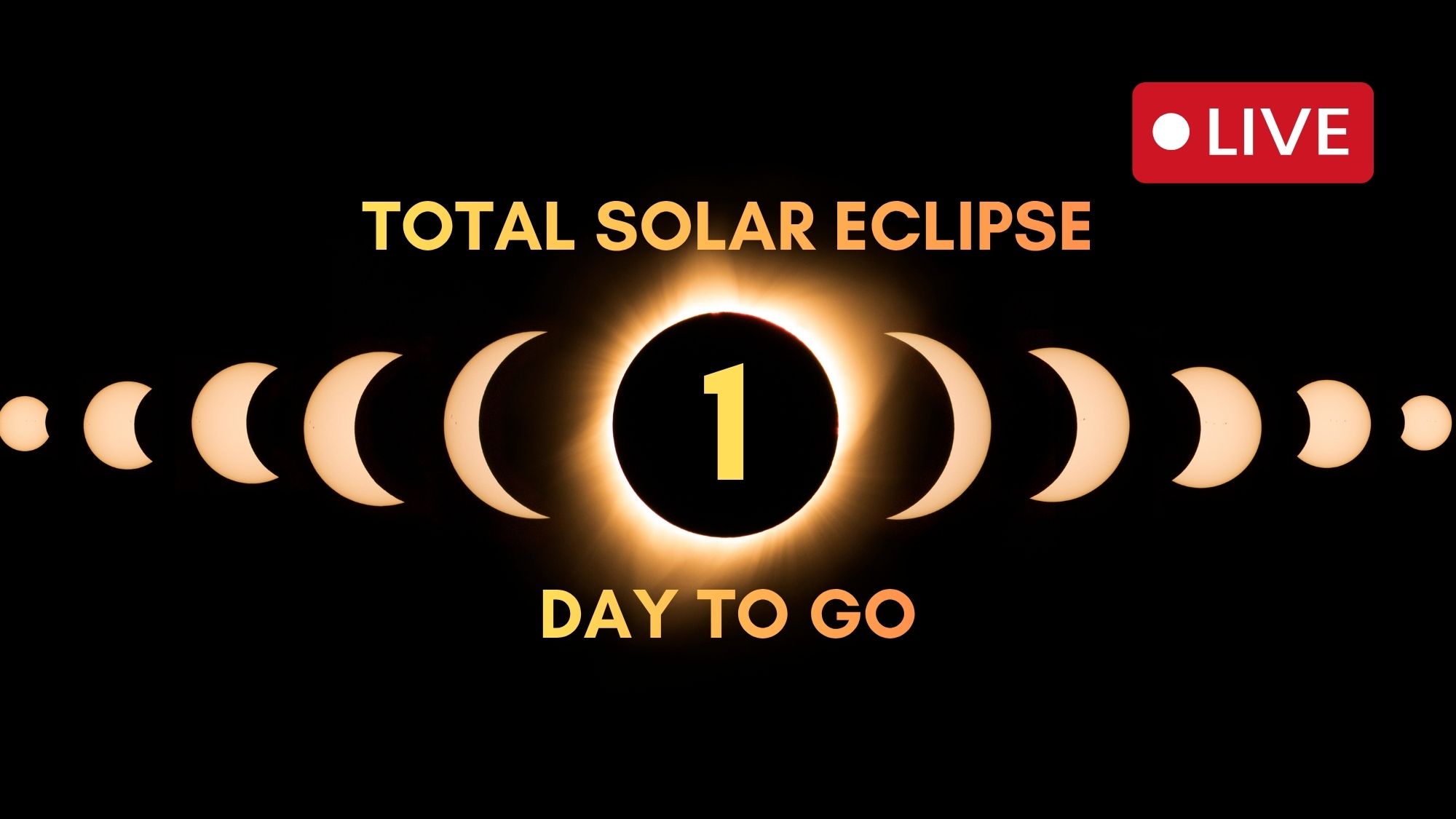
Adding a moment of wonder to a day marked by turmoil, a total solar eclipse is occurring on August 12, 2026. The path of totality crosses eastern Greenland, western Iceland, and northern Spain, offering observers in these regions a rare and dramatic experience of the moon completely obscuring the sun 3, 10.
A partial eclipse will be visible across a broader region, including the UK, Ireland, Western Europe, northwest Africa, and northern North America 3, 10. This event draws scientific and public interest, providing an opportunity for observation and education amidst the day's other challenges. The path's coverage of the North Atlantic and Europe makes this a significant astronomical event for the Northern Hemisphere.
Conclusion
In response to the question regarding the news of the day and market activity on August 12, 2026:
The news of the day is dominated by the devastating aftermath of the magnitude 7.4 earthquake in Colombia, which has killed at least 254 people and left over 4,100 missing, alongside escalating geopolitical tensions involving the reported closure of the Strait of Hormuz by Iran and the high-stakes US-Canada trade deadline on August 19.
Markets are under pressure, having closed lower on August 11 with the S&P 500 at 7,728.20 and the Nasdaq down 0.60%. The sell-off was driven by AI capex anxiety, fading peace hopes, and a soft jobs report that failed to offset geopolitical risks. Brent crude has surged above $89 per barrel due to Hormuz tensions, and Bitcoin has dropped below $64,000. Global markets are mixed, with Japan's Nikkei gaining 0.81% while Shanghai and Hang Seng fell, and Indian markets saw the Sensex crash 341 points.
Additionally, a total solar eclipse is visible today across eastern Greenland, western Iceland, and northern Spain, offering a stark contrast to the terrestrial crises unfolding worldwide.