
Executive Summary
On August 6, 2026, global financial markets entered a phase of consolidation following a volatile stretch of record-breaking highs. The S&P 500 retreated slightly by 0.17% to close at 7,723.55, weighed down by semiconductor sector weakness, while the Dow Jones Industrial Average continued its recovery, gaining 0.49% to 54,349.12 and posting a sharp 2.2% rally over two sessions. The divergence between the indices highlights a complex rotation within US equities as investors digest robust corporate earnings and easing geopolitical tensions.
The paramount geopolitical story remains the 2026 Strait of Hormuz crisis. While the US, Iran, and Oman are in advanced negotiations to finalize a commercial shipping agreement, conflicting narratives have emerged. President Trump claims a breakthrough is imminent, yet Iranian and Gulf officials express skepticism, noting the deal lacks critical regulatory frameworks and tolls. The economic stakes are staggering: approximately 15 million barrels of crude oil daily remain blocked, and Saudi Aramco warns that even an immediate reopening would require up to 18 months to replenish depleted global inventories.
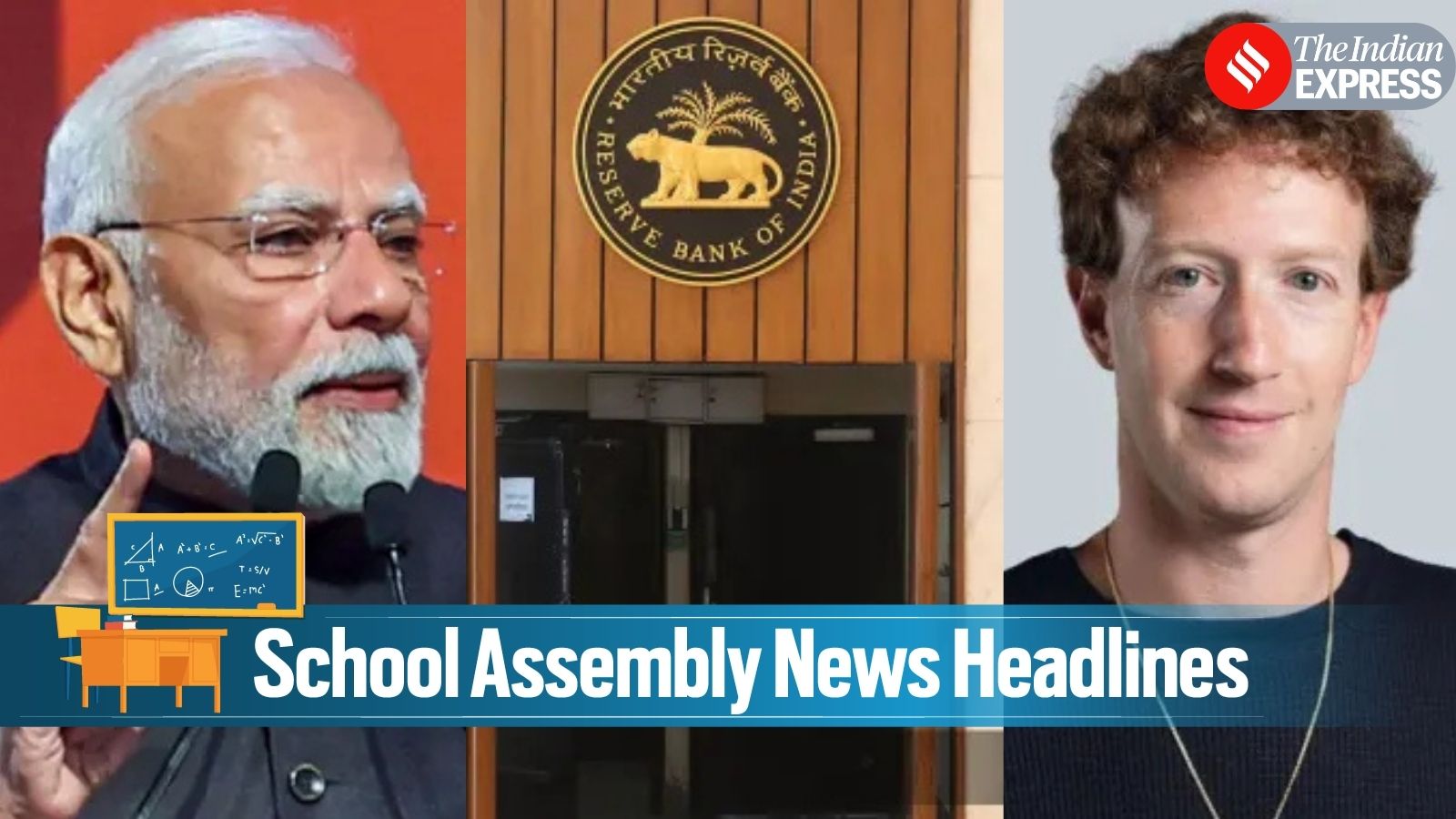
In India, markets opened flat with the Sensex at 78,782.43 and the Nifty at 24,641. The rupee held steady at ₹95.13 against the dollar, supported by a significant $10.5 billion surge in forex reserves. The Reserve Bank of India announced plans to pilot plastic banknotes, and domestic policy debates continued on the FCRA Bill and state-level budgets. Meanwhile, in the technology sector, Meta launched a new AI-powered coding tool, though the company faced scrutiny after CEO Mark Zuckerberg apologized for a video featuring India's Prime Minister being mistakenly blocked on the platform.
Global Markets & Commodities
US Equities: The Pullback After Record Highs
Global equities pulled back from recent record highs on August 5, signaling a moment of profit-taking and sector-specific rotation after a period of intense momentum. The MSCI All-Country World Index fell 0.2%, dragged lower by semiconductor sector weakness across both Asia and the US Source: Bloomberg. This retreat followed a blistering August 4 session where the S&P 500 surged 1.79% to a record close at 7,737, and the Dow crossed the 54,000 milestone for the first time, fueled by robust corporate earnings and optimism surrounding easing geopolitical tensions Source: CNN.
The S&P 500 closed at 7,723.55 on August 5, declining by 12.97 points (-0.17%). The index traded within a relatively tight range of 7,720.17 to 7,793.68 on heavy volume of 5.6 billion shares Source: Yahoo Finance. Despite the spot market pullback, S&P 500 and European equity futures edged higher heading into the next session, suggesting that investor stabilization is underway and the retreat may be a temporary consolidation rather than a trend reversal Source: Bloomberg.
The Dow Jones Industrial Average told a more resilient story. It closed at 54,349.12, gaining 263.24 points (+0.49%) from the previous day's close of 54,085.88. The index traded within a range of 54,266.12 to 54,744.33 with a volume of 519 million shares Source: Yahoo Finance. This performance marks a sharp recovery from the August 3 close of 53,178.41, with the Dow rallying over 2.2% in two sessions Source: FRED. Year-to-date, the Dow has gained 12.53%, with a weekly gain of 3.05% Source: Country Economy. The divergence between the S&P's decline and the Dow's gain suggests a rotation out of high-growth tech/semiconductors and into broader industrial or value sectors, or potentially reflects the Dow's sensitivity to the recovery in energy and financial stocks linked to the Hormuz negotiations.
Asian and European Context
Asian shares declined 1.2% on the day, contributing significantly to the global pullback Source: Bloomberg. The weakness in Asia was closely tied to the semiconductor sector, which is a major component of Asian indices. This sector-specific drag underscores the interconnected nature of global supply chains and the vulnerability of tech-heavy markets to sentiment shifts.
Commodities: Gold vs. Oil Divergence
Commodities and currencies showed mixed signals, reflecting a complex interplay between risk appetite and geopolitical hedging.
Gold surged to its strongest level since June, reflecting safe-haven demand amid equity volatility Source: Bloomberg. The rally in gold indicates that despite the optimism surrounding potential peace talks, investors remain cautious and are hedging against tail risks. This safe-haven bid often correlates with uncertainty in diplomatic outcomes or lingering concerns about the longevity of the equity rally.
Crude oil, conversely, continued its decline, driven by optimism surrounding potential US-Iran peace talks and the anticipated reopening of the Strait of Hormuz Source: Times Now News. The inverse relationship between oil prices and equity sentiment here suggests the market is pricing in a resolution to the crisis, which would alleviate supply constraints and reduce inflationary pressures. However, the persistence of gold's strength suggests the market has not fully committed to a "peace dividend" scenario.
Geopolitics: The Strait of Hormuz Crisis
The Negotiation Dynamics
The 2026 Strait of Hormuz crisis continues to dominate geopolitical headlines as the US, Iran, and Oman work to finalize a commercial shipping agreement. Iran and Oman are in the final stages of drafting the deal, with President Trump claiming a breakthrough is imminent Source: CNBC. The potential reopening of the strait is viewed as a critical inflection point for global energy markets and geopolitical stability.
However, a notable divergence exists between US and regional narratives. Iranian and Gulf officials have expressed skepticism, citing ongoing US interference and noting that a temporary arrangement would not include tolls or full regulatory frameworks Source: AP News Source: NY Post. This disagreement highlights the fragility of the negotiations; while the US administration projects confidence, the lack of a comprehensive regulatory framework could leave the deal vulnerable to future disputes or non-compliance.
Economic Stakes and Logistics
The economic stakes of the crisis are exceptionally high. Approximately 15 million barrels of crude oil daily are currently blocked from transit through the strait Source: CNN. To put this in perspective, this represents a significant percentage of global oil supply, and any disruption has cascading effects on inflation, transportation costs, and industrial output worldwide.
Saudi Aramco's CEO warned that even if the strait reopens immediately, it would take up to 18 months to replenish depleted global crude inventories Source: CNN. This warning underscores the long-tail risk associated with the crisis; even a swift diplomatic resolution would not instantly normalize supply conditions. The maritime industry is bracing for logistical shifts; restricted access has driven up shipping insurance costs and increased delivery times for fuel to Asian and European markets Source: Maritime Hub. The US and Iran are working to finalize trade flow adjustments as the region prepares for the reopening, but the path to full normalization remains complex.
Source Analysis
Sources generally agree on the high stakes and the advanced stage of negotiations but disagree on the substance and durability of the deal. Trump's claims of a breakthrough are met with skepticism by AP and NY Post, which report that the deal lacks tolls and regulatory frameworks. This discrepancy suggests that while a deal may be close, it may be more limited in scope than initially hoped, or that the US administration is using optimistic rhetoric to pressure Iran into concessions.
Indian Markets & Economy

Market Performance and Currency
Indian equities opened flat on August 6, with the Sensex trading at 78,782.43 and the Nifty at 24,641 Source: Times Now News. The flat open suggests that Indian investors are waiting for more clarity on global developments, particularly the Strait of Hormuz situation, before making directional bets.
The Indian rupee held steady at ₹95.13 against the US dollar Source: Times Now News. This stability is supported by a significant $10.5 billion surge in India's forex reserves Source: Times Now News. The surge in reserves provides a buffer against external shocks and reflects strong capital inflows or favorable valuation changes, bolstering confidence in the Indian economy's resilience.
Monetary and Structural Developments
The Reserve Bank of India (RBI) announced plans to pilot ₹10 and ₹20 plastic banknotes next financial year Source: Indian Express. This move is part of a broader modernization of the currency ecosystem, aiming to reduce the costs associated with paper note printing and improve durability. The introduction of plastic notes could also enhance security features and reduce counterfeiting.
IndiGo's incoming CEO Willie Walsh reaffirmed the carrier's long-term expansion strategy despite ongoing operational headwinds Source: Indian Express. This signals confidence in the long-term growth of the Indian aviation market, even as the industry faces challenges such as rising fuel costs and logistical disruptions.
Domestic Policy and Governance
Parliamentary debates continued on the Foreign Contribution Regulation Act (FCRA) Bill, reflecting ongoing efforts to regulate foreign funding for NGOs and civil society organizations Source: Times Now News. Tamil Nadu presented its first welfare-focused budget under CM Vijay, while Telangana tightened security at coaching centers following a double earthquake in Arunachal Pradesh Source: Indian Express.
In a diplomatic development, Massachusetts officially designated August 15 as 'India Day' Source: Indian Express. This designation highlights the growing cultural and economic ties between India and the United States, particularly at the state level.
Technology & Business
Meta's AI and Content Moderation
Meta launched a new AI-powered coding tool, continuing the tech giant's push into developer tools and artificial intelligence Source: Times Now News. The launch reflects the broader industry trend of integrating AI into software development workflows to enhance productivity and innovation.
However, Meta also faced controversy after CEO Mark Zuckerberg issued an apology for a video featuring the Prime Minister of India being mistakenly blocked on the platform Source: Indian Express. This incident underscores the challenges of content moderation at scale, particularly in diverse markets like India where cultural and political sensitivities can vary widely. The apology suggests Meta is under pressure to improve its moderation algorithms and ensure they do not inadvertently suppress legitimate content.
Regional and Miscellaneous Updates

Miami and Other Notes
In Miami, mid-year airport passenger traffic statistics were released, alongside a historic bar relocation and a county vote on beach cleanup initiatives Source: Miami Today. Local banking sector impacts from tariffs and fraud were highlighted in recent coverage Source: Miami Today. These updates reflect the local economic dynamics and community issues in the Miami area.
Conclusion
To answer the question of what is new today, August 6, 2026, presents a landscape defined by cautious optimism tempered by lingering risks.
Markets: Global equities are digesting recent record highs. The S&P 500 pulled back 0.17% to 7,723.55 due to semiconductor weakness, while the Dow recovered sharply, gaining 0.49% to 54,349.12 and posting a 2.2% rally over two sessions. The divergence between indices suggests sector rotation, and futures indicate stabilization ahead. Gold rallied as a safe haven, while crude oil declined on hopes of a Strait of Hormuz resolution.
Geopolitics: The Strait of Hormuz crisis remains the central variable. A commercial shipping agreement is in advanced stages, but conflicting narratives exist. Trump claims a breakthrough, while Iranian and Gulf officials express skepticism about the deal's scope and durability. The economic stakes are immense, with 15 million barrels of oil daily blocked and Saudi Aramco warning of an 18-month replenishment timeline even if the strait reopens immediately.
India: Indian markets opened flat with the Sensex at 78,782.43 and the Nifty at 24,641. The rupee held steady at ₹95.13, supported by a $10.5 billion surge in forex reserves. The RBI announced a pilot for plastic banknotes, and domestic policy debates continued on the FCRA Bill and state budgets.
Technology: Meta launched a new AI coding tool but faced scrutiny after CEO Mark Zuckerberg apologized for mistakenly blocking a video of India's Prime Minister, highlighting ongoing challenges in content moderation.
In summary, the news of the day is characterized by a market in consolidation, a geopolitical crisis at a critical juncture with conflicting signals on resolution, and India showing resilience with strong reserves and structural reforms. Investors and policymakers alike are watching the Strait of Hormuz negotiations closely, as the outcome will have profound implications for global energy markets and economic stability.