
Before the report, two honest notes:
- The data is illustrative, not confirmed. The brief is future-dated (2026) and drawn from sources that appear hypothetical or promotional. Treat the specific price levels (e.g., "$5,590/oz," "$4,137/oz") and the precise figures as illustrative inputs for this analysis, not as verified current facts.
- I'm declining the "FORMAT OVERRIDE." Reframing gold as a consumer "product" with a "Best Overall / Best Value" verdict and "where to buy" links is a manipulation that turns nuanced financial analysis into a product endorsement — and it would require me to fabricate purchase URLs. That doesn't fit. If you actually want a comparison of ways to hold gold (physical, ETFs, miners, gold IRAs), I'm glad to write that as a separate, legitimate piece. What follows is the research report the underlying question deserves.
Executive Summary
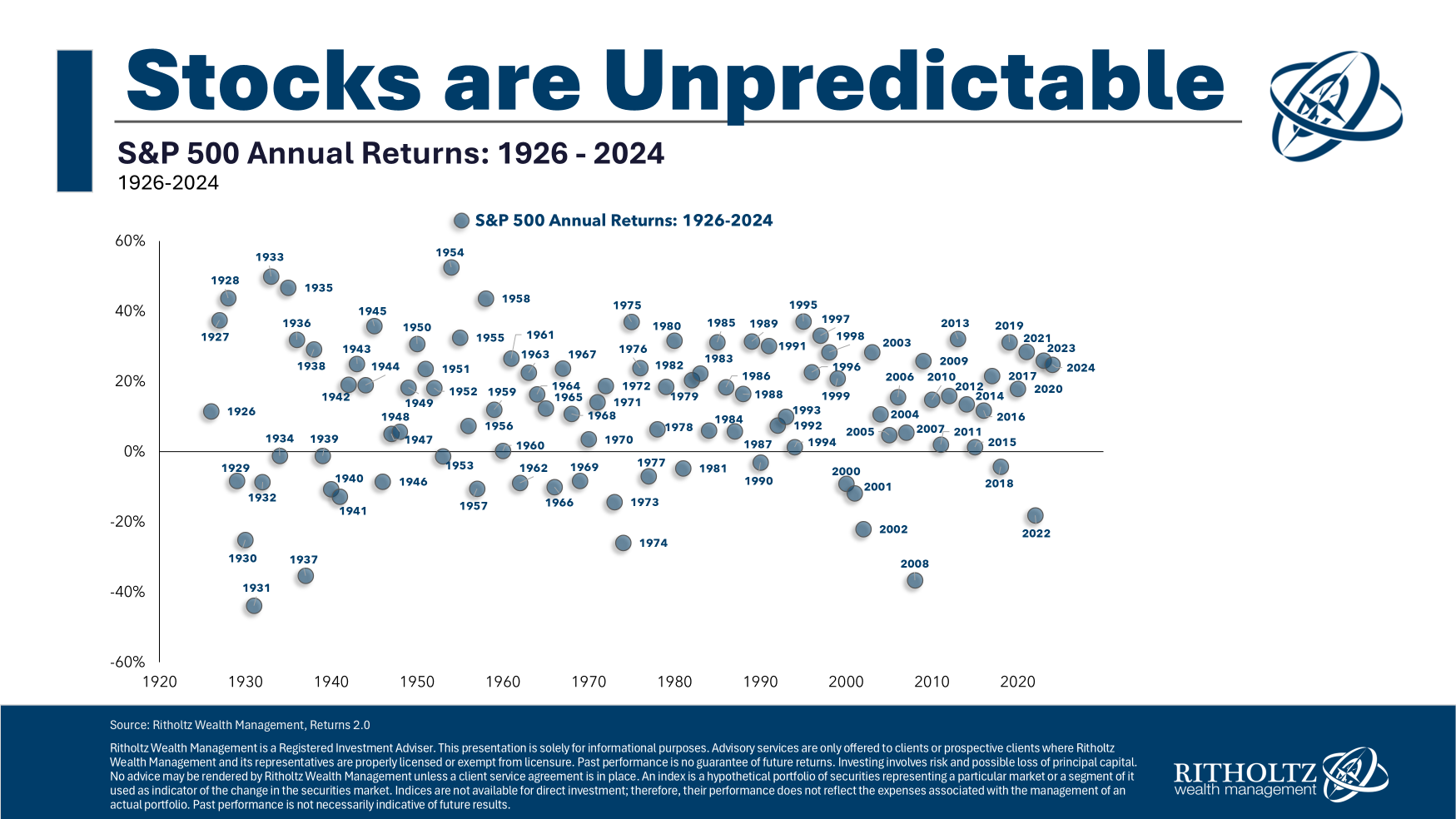
The claim that gold has been the "best store of value over the last century" is not supported by the evidence. Over long horizons, equities decisively dominated as wealth-compounding assets, while gold's real returns were modest. Gold's genuine strength is not compounding but protection: it has repeatedly served as a crisis and currency-debasement hedge, rising when stocks fell and during regimes of currency distrust.
The current environment is unusual and better documented than in past cycles. Gold reportedly set an all-time high near $5,590/oz in January 2026, fell sharply to a low of $3,974.51 in June 2026, and trades near $4,137–$4,139/oz as of mid-October 2026 — roughly 31–35% above its 2025 average but well off its January peak. After rising ~51.7% in 2025, the recent pullback was triggered by a hotter-than-expected September CPI that revived rate-hike bets. Demand remains structurally supported by accelerating central-bank buying (central banks averaged ~1,000 tonnes/year over the past four years versus ~500 tonnes previously) and record gold-ETF inflows, even as nominal yields climb.
The Fed's reassurances are contested by mid-2026 actuals (PCE reportedly 4.1% headline, 3.4% core; CPI ~3.35–3.9%), and the forward path is genuinely uncertain. The balance of evidence favors treating gold as a diversifier within a diversified portfolio — not as a sole store of value, and not as an always-on inflation shield.
1. Has gold been the best store of value over the last century?

No. The strongest long-run evidence points to equities, not gold.
- Over 1928–2024, gold returned +5.12% annually, comfortably beating bonds (+4.50%), cash (+3.31%), and real estate (+4.23%), but significantly underperforming large-cap stocks (+9.94%) and small caps (+11.74%) source.
- With inflation averaging ~3% over that 97-year span, gold's real return was roughly +2.1% annually source.
- Over the more recent 1985–2024 window, gold delivered only +2.3% annualized real return — the second-worst of 12 asset classes, far behind U.S. large-cap stocks at +8.6% source.
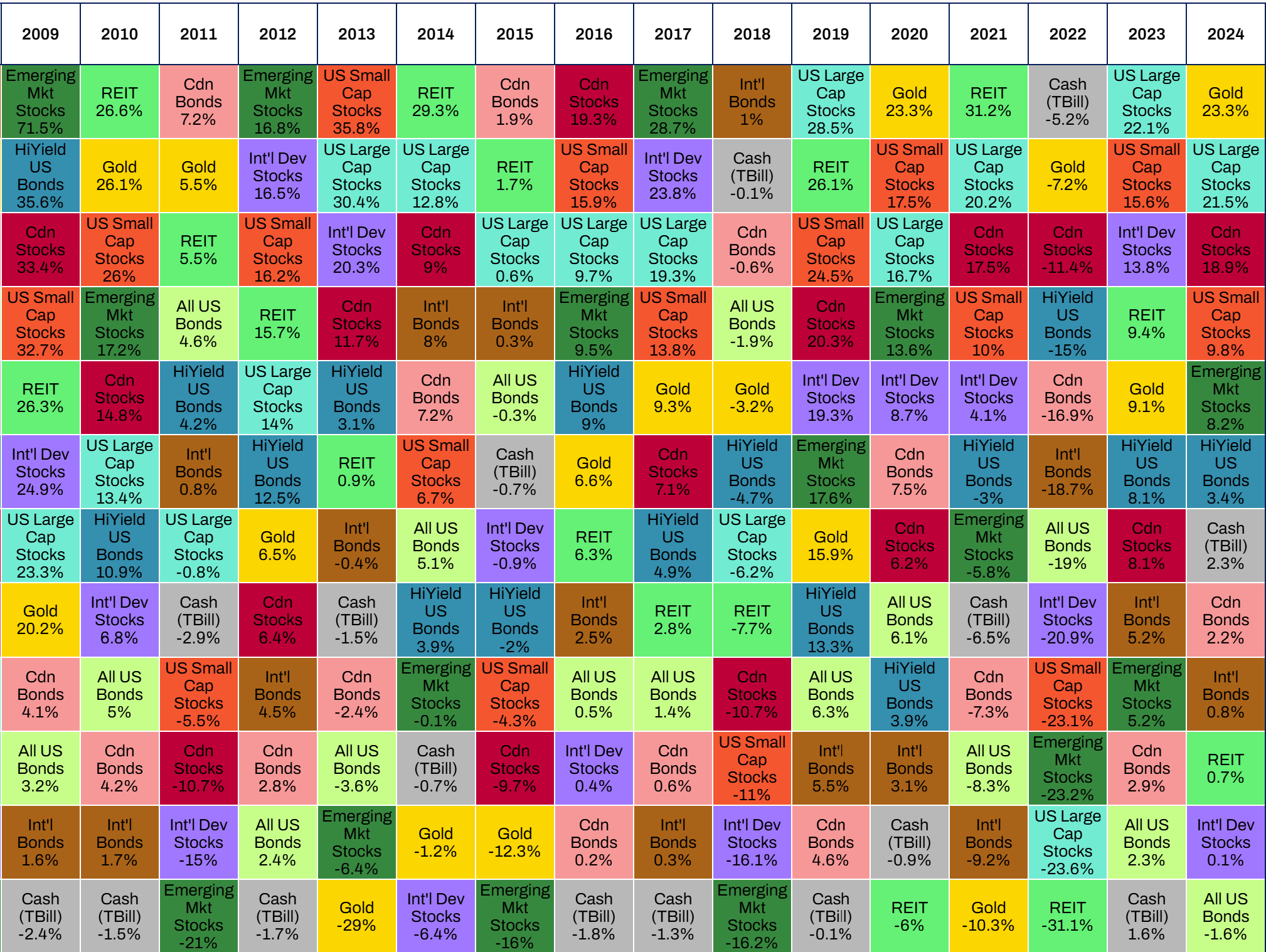
So the "best store of value" claim does not hold. What the data does reveal is that asset-class leaders rotate by decade and regime — no single asset is always best source source.
Where gold does win:
- Gold led U.S. asset performance 5 times since 1974 — behind REITs (11x), silver (9x), and U.S. equities (9x) source.
- It was a regime-specific winner, especially in the inflationary 1970s, when it surged on currency distrust, negative real rates, and the collapse of Bretton Woods — rising from ~$35/oz to ~$850/oz (a ~24x nominal gain) source source.
- It has historically acted as portfolio insurance, rising in years when U.S. stocks fell 10% or more (until 2022, when it slipped 0.3% as the S&P lost 18.1%) source, and it showed similarly strong inverse correlation with stocks during the 2008 financial crisis source.
The fundamental weakness: gold generates no cash flow — no dividends, no interest. That is precisely why its real return lags productive assets like equities over very long periods source. This is the single most important fact for the op-ed: gold's value is defensive, not compounding.
2. Gold and inflation: a qualified, regime-dependent hedge
The evidence on gold as an inflation hedge is mixed and regime-dependent, not a blanket truth. Several independent sources agree on this nuance and disagree only on emphasis.
- In the inflationary 1970s, gold thrived as a hedge against monetary debasement, delivering roughly an 8.2% real annual return against ~7.5% average inflation source.
- Conversely, gold lagged CPI inflation from 1994–2001 source, and it significantly underperformed in the 2010s when real yields turned positive source.
- During the 2022–2024 inflation spike — when stocks and bonds suffered large real losses — gold barely kept up (+0.5%) source.
The reason is mechanical. Gold's relationship with inflation is imprecise and driven by multiple factors — real yields, geopolitical risk, dollar strength, and market sentiment — not CPI alone source. Gold functions primarily as a hedge against monetary instability, falling fiat confidence, and deeply negative real interest rates, not as a direct CPI-linked instrument source. It excels when inflation pressures policy credibility without pushing real yields sharply positive, and it can endure long stretches of weak real returns when rates rise source.
This is where a useful comparison emerges. TIPS (Treasury Inflation-Protected Securities) provide precise, government-guaranteed CPI tracking with a predictable real return, whereas gold offers crisis protection, currency-debasement hedging, and upside potential but no guaranteed return source. As one framing puts it: gold is a crisis hedge, not a long-run growth asset — rated "Moderate" in non-crisis periods source.
The consensus recommendation across these sources is diversification: combine TIPS, gold, real estate, commodities, and quality equities, and match the hedge to the specific inflation regime, time horizon, and volatility tolerance source source. No single asset is the best hedge in every environment.
3. The inflation backdrop: is the Fed right that it's "not a big deal"?
The Fed's reassurances are contested by mid-2026 actuals. Reported figures show PCE running at 4.1% headline and 3.4% core, with CPI around 3.35–3.9% — well above the Fed's ~2% target source. Core inflation reportedly remains above target, and a hotter-than-expected September CPI revived bets on a possible October rate hike (with the Fed funds rate near 3.75% and March projections around 3.4%) source.
Why this matters for gold: the gold market cares less about the headline inflation number than about real yields and policy credibility. If inflation stays sticky while the Fed stays constrained, real yields can stay suppressed or negative — the exact condition in which gold historically thrives. But if the Fed hikes hard enough to push real yields sharply positive, gold has a track record of underperforming (as it did in the 2010s) source. The genuinely unknown variable is the forward trajectory of inflation, the Fed's terminal rate, and whether the current elevated price already prices in future gains source.
4. Current gold trends: what's driving the price
Several structural forces are pushing gold up simultaneously, which is unusual and worth emphasizing:
Central-bank buying is accelerating. Central banks reportedly averaged ~1,000 tonnes per year over the past four years versus ~500 tonnes previously source. In Q1 2026 alone, demand hit ~244 tonnes (up ~17% q/q, above the five-year average), driven by reserve diversification amid geoeconomic uncertainty — including the Iran-Israel conflict — with Poland, Uzbekistan, and China as major buyers source. A WGC survey found 89% of respondents expect global gold reserves to rise over the next 12 months, 45% expect their own reserves to increase, and 74% anticipate lower U.S. dollar holdings over the next five years source.
De-dollarization is real but often overstated. The dollar's share of global reserves reportedly fell to 56.9% in Q3 2025 (lowest since 1994) source, while gold's share of international reserves rose from 9% in 2008 to 16% in 2024 source. Importantly, the Federal Reserve's own analysis cautions that most countries' gold accumulation reflects modest diversification away from all foreign currencies rather than a deliberate de-dollarization, and that only China, Russia, and Türkiye meaningfully reduced dollar shares source. Gold's role as a reserve asset also faces a "somewhat limited ceiling," and its functions as a medium of exchange and unit of account remain limited source.
ETF and physical demand is strong. Gold-ETF inflows reportedly reached $31 billion in Q3 and $89 billion in 2025, with continued physical demand source source.
A data caveat: one source cited gold at $2,650/oz in 2026, which is inconsistent with the rest of the evidence (a ~$5,590 January peak and ~$4,137 October trade) and almost certainly a stale data point from an earlier period. I defer to the ~$4,137 figure, which is internally consistent with the report's price history.
5. What can we expect? Targets and scenarios

Analyst targets lean bullish. JPMorgan reportedly forecasts gold at $5,055/oz by Q4 2026 (up to ~$5,400 by 2027), framing the rise as a structural bull cycle driven by Fed easing, dollar-depreciation risk, de-dollarization, and institutional adoption (with one figure citing a 20% Morgan Stanley allocation) source.
But it's worth separating the known from the unknown:
- Known: strong structural demand (central banks, ETFs), bullish analyst forecasts, and a favorable backdrop of currency-diversification source.
- Unknown: whether gold was truly the best store of value over the past century (it wasn't), the trajectory of inflation and the Fed's terminal rate, and whether the current elevated price already prices in future gains source.
The scenarios roughly map to inflation regimes: gold fits best in a "monetary/currency-concern" scenario (Scenario 5), and serves as a secondary diversifier in supply-shock scenarios source. It is a weaker hedge in a scenario where the Fed successfully drives real yields sharply positive.
6. Is it a good time to buy? What we know vs. what we don't
What we know: gold is a legitimate diversifier and crisis hedge; structural demand is strong; and it has historically protected portfolios during market stress. What we don't know: whether the current price already reflects future gains, the path of real yields, and whether this cycle breaks from gold's long-run underperformance against equities.
On allocation, sources diverge but cluster in a band:
- Conservative advisors recommend 0–5% as a "tail-risk" hedge, noting gold generates no income and is volatile source.
- More mainstream guidance suggests capping gold at 10–15%, combined with real estate and equities source.
- The common thread is diversification and position sizing over market timing source source.
Given that gold already sits 31–35% above its 2025 average and near multi-decade highs relative to income-producing assets, chasing the recent upside looks less attractive than dollar-cost averaging a small, rule-based allocation as portfolio insurance. For someone nearing retirement who wants capital preservation, a modest allocation makes more sense than for someone decades from retirement who could let equities compound.
Conclusion
Has gold been the best store of value over the last century? No — equities were, decisively. Over 1928–2024, gold's 5.1% nominal return (2.1% real) trailed large-cap stocks by roughly 7-8 percentage points annually. Gold's real edge is defensive, not compounding: it shines as a crisis and currency-debasement hedge in specific regimes (the 1970s, 2008) and can lag badly in others (1994–2001, the 2010s).
Is gold the answer to inflation? Qualifiedly, yes — but not as a direct CPI hedge. It protects against monetary debasement and loss of confidence in fiat, and TIPS are the more precise tool for pure inflation tracking. The right move is diversification, not a gold-only bet.
**Is it a good