
Executive Summary
Gold has long held a romantic reputation as humanity's original store of value, but the evidence tells a more nuanced story. Over the last century, gold has been a reliable preserver of purchasing power—beating cash, bonds, and real estate—but it has not been the single best asset class, consistently underperforming equities. Its true strength is regime-dependent: gold flourishes during periods of high inflation, negative real interest rates, dollar weakness, and financial or geopolitical stress, but stagnates when money is stable and safe assets pay attractive real returns.
In the current environment, the picture is complicated. Inflation has spiked well above the Federal Reserve's 2% target, central banks are buying gold at record pace, and a "de-dollarization" narrative has captured the global imagination. Yet gold itself has been wildly volatile in 2026—surging to record highs near US$5,590/oz in late January before falling roughly 25% to around US$4,156/oz by early October, after a hawkish new Fed Chair (Kevin Warsh) delivered the first rate hike since 2023. For individuals exposed to a USD-based financial system, gold is best understood not as a bet on currency collapse but as insurance—a diversifier and crisis hedge, typically sized at 5–10% of a portfolio, that protects against monetary debasement and institutional risk over the long run.
Has Gold Been the Best Store of Value Over the Last Century?

The short answer is no—but the longer answer reveals why gold still deserves a place in a diversified portfolio.
According to the long-run nominal returns dataset from NYU Stern (Damodaran, 1928–2024), gold delivered an annualized return of +5.12%, comfortably ahead of bonds (+4.50%), real estate (+4.23%), and cash (+3.31%), but well behind the S&P 500 (+9.94%) and small-cap stocks (+11.74%) https://awealthofcommonsense.com/2025/01/historical-returns-for-stocks-bonds-cash-real-estate-and-gold/. With inflation averaging roughly 3% per year over this period, gold's real (inflation-adjusted) return has been approximately +2% per year—positive and meaningful, confirming that gold has indeed preserved and modestly grown purchasing power across the century.
However, the distinction between "preserving value" and "building wealth" is critical. Over a full 100-year horizon, equities compound dramatically more wealth than gold. A dollar invested in the S&P 500 in 1928 would vastly outstrip what the same dollar bought in gold, simply because corporate earnings, dividends, and reinvestment create compounding that a non-yielding commodity cannot match https://www.investorsfriend.com/asset-performance/. Gold generates no dividends, interest, or cash flow; its entire value rests on scarcity and collective confidence.
There is an important caveat, though: performance leadership rotates by decade. Gold's reputation as a top performer is highly period-specific. It has already surpassed its 1980 nominal peak in real terms, and in the last five years alone gold prices have nearly doubled—fueling its recent reputation as a strong store of value https://metalprices.live/gold-price-outlook. But treating gold as a "guaranteed winner" ignores the reality that equities dominate over long horizons while gold shines in specific monetary regimes https://awealthofcommonsense.com/2025/01/historical-returns-for-stocks-bonds-cash-real-estate-and-gold/.
Gold's Performance Is Regime-Dependent
To understand gold, you must understand when it wins and when it loses. Because gold produces no income, its appeal rises precisely when trust in money, policy, or institutions weakens—and it stagnates when money is stable and safe assets pay positive real returns.
The clearest example is the 1970s, gold's standout era. Amid severe inflation that damaged both stocks and bonds in real terms, gold rose from roughly $35/oz to ~$850/oz, delivering an estimated 8.2% real annual return against roughly 7.5% inflation https://www.financeintrest.com/2026/03/gold-vs-equities-50-years-of-data-that.html. This was the decade that cemented gold's inflation-hedge reputation.
The opposite occurred during 1980–2000, the disinflationary, equity-dominated era. As positive real yields returned and policy confidence was restored, gold underperformed for decades https://vieclaire.com/en/blog/equities-bonds-and-gold-a-century-of-performance-compared/. Gold also proved resilient during the 2007–2009 Great Recession and the 2020 COVID-19 pandemic, maintaining its value and outperforming stock indices during those downturns https://commodity.com/blog/gold-compared/.
The most recent chapter (2022–2025) has been extraordinary. High inflation, geopolitical tensions, and record central bank buying drove gold to a series of record highs. In 2025 alone, gold delivered an exceptional ~60–65% return—its best calendar year since 1979, following a strong ~27% gain in 2024, with 50+ all-time highs set along the way https://algoalpha.co/blog/gold-price-forecast-2026-2027. This pattern confirms a vital point: gold is not a permanent winner but a regime-dependent hedge that shines specifically when monetary confidence erodes.
Gold as an Inflation Hedge
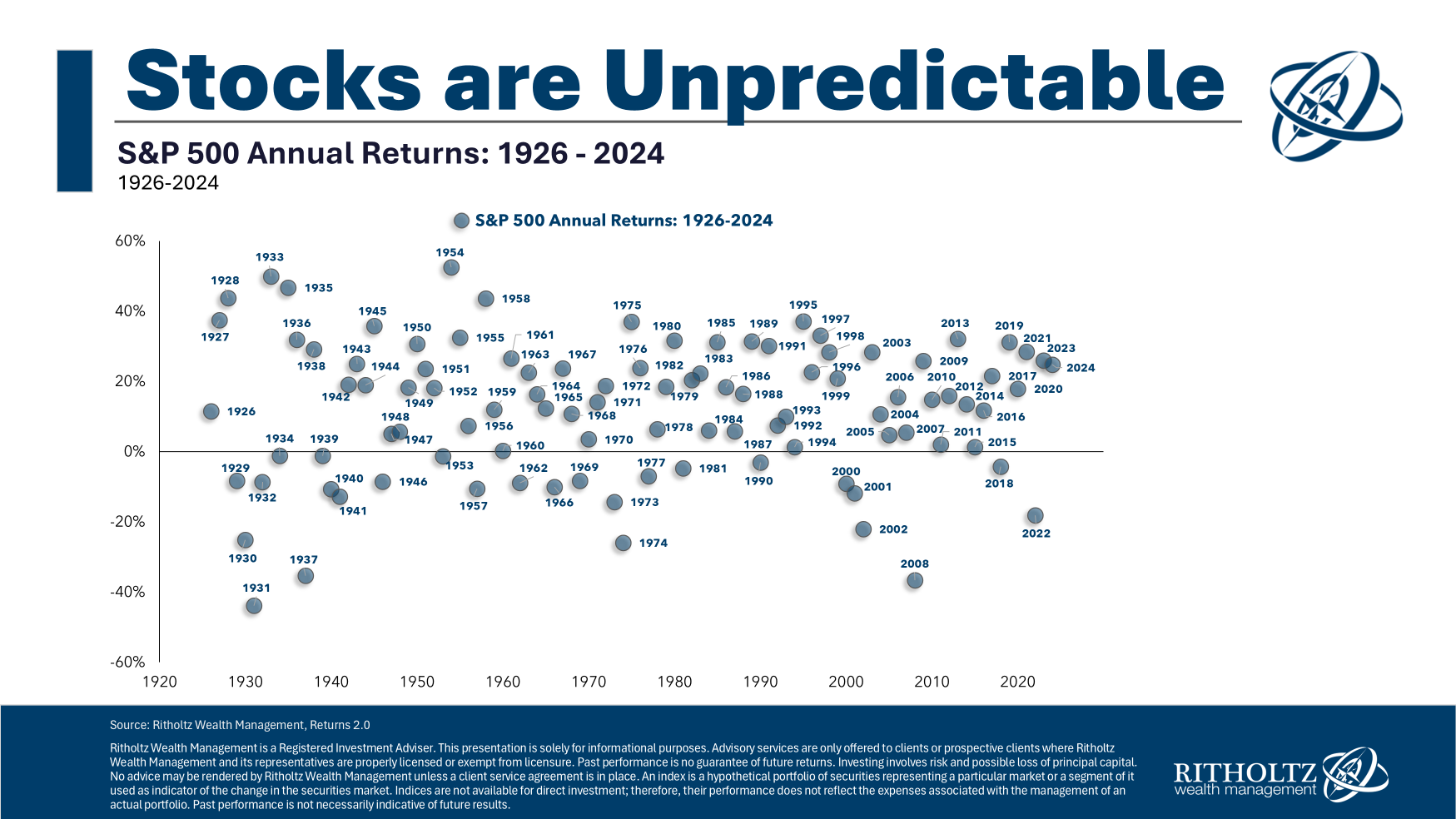
Historically, gold has served as an inflation hedge, but the evidence shows this power is imperfect and uneven. Its price is driven by a combination of inflation expectations, real interest rates, U.S. dollar movements, central bank purchases, and safe-haven demand during crises https://www.financeintrest.com/2026/03/gold-vs-equities-50-years-of-data-that.html.
The mechanism matters. Gold tends to surge during periods of negative real yields and high inflation, and faces downward pressure when interest rates rise—this "real-yield mechanism" explains why rising rates exert headwind on a zero-yield asset https://goldsilver.com/industry-news/article/gold-vs-inflation-what-100-years-of-data-shows/. The World Gold Council's 2026 outlook refines this further: persistent (not merely spiking) inflation tends to benefit gold, as investors seek effective hedges https://www.gold.org/goldhub/research/gold-mid-year-outlook-2026.
However, recent evidence sharpens the caveat considerably:
- Gold is less reliable during moderate inflation (2–3%), where it has historically lagged https://compoundfig.com/blog/inflation-hedging-strategies-2026/.
- During 2022's ~9% CPI spike, gold barely moved—a pointed counterexample to the "gold always rises with inflation" claim https://www.zarwealth.tech/how-to-invest-during-high-inflation/.
This suggests gold performs best when inflation coincides with currency debasement or geopolitical crisis, not pure demand-pull inflation. A useful reframing: much of gold's recent strength reflects a "debasement trade"—a hedge against sovereign debt accumulation, fiscal dominance, and monetary debasement (global debt stands at roughly $340 trillion, or ~330% of global GDP)—rather than a bet on near-term CPI spikes https://goldpricetools.com/guides/gold-price-prediction-2026. This reframes gold's role in a USD-based system: it protects against the long-run erosion of fiat purchasing power, not necessarily against any single month's inflation print.
The Current Inflation Backdrop
The Fed's stance and the data tell a more complicated story than "inflation is not a big deal."
Headline PCE inflation rose to 4.1% (from 2.5% a year earlier), with core PCE at 3.4% (from 2.8%) https://www.federalreserve.gov/monetarypolicy/2026-07-mpr-part1.htm. The drivers are supply-shock in nature: a 24% surge in energy prices following a Middle East conflict, food prices nearly 30% above pre-pandemic levels, and elevated core goods inflation tied to tariffs, industrial metals, and AI/data-center-driven semiconductor demand https://www.federalreserve.gov/monetarypolicy/2026-07-mpr-part1.htm.
Longer-term inflation expectations remain anchored near 2%, but shorter-term expectations have risen sharply—Michigan 12-month expectations jumped from 3.4% to 4.6% https://www.federalreserve.gov/monetarypolicy/2026-07-mpr-part1.htm. The Fed has even launched a task force to re-examine its inflation frameworks, signaling it is not entirely at ease. The Fed projects inflation will peak at 3.6% PCE in 2026 before declining to its 2.0% target by 2028—an upward revision from March's 2.7% forecast, and wide forecast ranges (e.g., 2.7–4.1% for 2026 PCE) signal substantial uncertainty among FOMC participants https://www.federalreserve.gov/monetarypolicy/2026-07-mpr-part3.htm.
Globally, the picture is steeper: the World Gold Council cites global inflation averaging 4.3%, reinforcing that the protective-asset case is strongest outside the U.S. alone https://www.gold.org/goldhub/research/gold-mid-year-outlook-2026.
The policy response has shifted dramatically under new Fed Chair Kevin Warsh, who has presided over a hawkish pivot. The Fed delivered its first rate hike since 2023, producing a firmer dollar and higher real yields (the 10-year Treasury near 4.56%) that raise the opportunity cost of holding a zero-yield asset like gold https://algoalpha.co/blog/gold-price-forecast-2026-2027. This is precisely why gold fell ~25% from its January peak—higher real yields make holding gold less attractive.
Gold and the De-Dollarization Thesis

A central question in the original brief is how to protect oneself within a financial economy built on the USD. Gold is frequently positioned as the answer, driven by a powerful de-dollarization narrative—but the evidence warrants care.
The case for gold as a reserve hedge is strong on its face. Central bank demand has reached historic levels: central banks purchased a record ~1,237 tonnes of gold in 2025—the highest annual pace since at least 1950 and the third consecutive year above 1,000 tonnes https://informedclearly.com/en/economy/61282/de-dollarization-usd-reserves-gold-2026. For the first time since 1996, central banks hold more gold than U.S. Treasuries, with emerging-market banks (China, Russia, Türkiye) raising gold's share of EM reserves from roughly 4% to 9% over a decade https://informedclearly.com/en/economy/51778/de-dollarization-global-finance-dollar-reserves-2026.
But the evidence is more nuanced than a "dollar collapse" narrative. Most accumulating central banks are pursuing modest diversification rather than abandoning the dollar, and part of gold's reserve-share gain reflects higher nominal prices rather than pure accumulation. For individuals, this matters: gold is one protective tool among several, best framed as insurance against monetary-policy and institutional risk rather than a levered bet on currency collapse.
How to Invest in Gold: Ranked Options
If you've decided gold belongs in your portfolio, the next question is how to own it. The vehicle you choose affects cost, liquidity, security, and tax treatment. Below, I rank the most practical options from best overall to most specialized.
Quick Comparison of Top Picks
| Rank | Product | Approx. Price | Best For | Rating |
|---|---|---|---|---|
| 1 | Spot Gold ETFs (IAU / GLD) | ~$45–620/share | Hands-off investors & retirement accounts | ★★★★☆ |
| 2 | Physical Gold (Coins & Bars) | ~$4,156+/oz (spot + premium) | Maximum control & crisis prep | ★★★★☆ |
| 3 | Allocated/Stored Gold (BullionVault) | Spot + ~0.1–0.25% fee | Cost-efficient physical ownership | ★★★★☆ |
| 4 | Gold Miners ETF (GDX) | ~$30–38/share | Leveraged upside & dividends | ★★★☆☆ |
| 5 | Gold IRA (self-directed) | Setup ~$100–300/yr + storage | Tax-advantaged physical gold | ★★★☆☆ |
| 6 | Gold Futures & Leveraged Products | Contract ~$400k+ notional | Professional/traders only | ★★☆☆☆ |
1. Spot Gold ETFs (IAU / GLD)
Approximate price: iShares Gold Trust (IAU) ~$45–50 per share; SPDR Gold Shares (GLD) ~$450–500 per share (each tracks roughly 1/10 to 1 oz of gold).
Spot gold ETFs are the most convenient way to gain gold exposure without taking physical delivery. Each share represents a fractional claim on physical gold held in a trust, trading like a stock on major exchanges. IAU is generally preferred over GLD for long-term holders because it carries a lower expense ratio (0.25% vs. 0.40%), meaning less drag over time https://algoalpha.co/blog/gold-price-forecast-2026-2027.
Pros:
- Highly liquid—buy and sell instantly during market hours
- No storage, insurance, or security concerns
- Easy to hold inside retirement accounts (IRA/401k)
- Low cost and transparent
Cons:
- You don't hold physical metal (counterparty/trust risk)
- Annual expense fees erode returns over decades
- In a true systemic collapse, paper claims may not be redeemable
Where to buy: Vanguard, Fidelity, Schwab, IBKR
2. Physical Gold (Coins and Bars)
Approximate price: ~US$4,156/oz at current spot (October 2026), plus premiums ranging from ~2–8% for widely recognized coins (e.g., American Gold Eagle, Maple Leaf) to smaller premiums on bars.
Physical gold is the purest form of ownership and the original store of value. For investors worried about USD debasement or institutional risk, holding metal in your own hands offers psychological and practical insurance. Coins like the American Gold Eagle and Canadian Maple Leaf are highly liquid and recognizable, while bars offer lower premiums for larger allocations.
Pros:
- Direct, tangible ownership—no counterparty risk
- Maximum privacy and control
- Protects against systemic/financial-system stress
- No ongoing management fees
Cons:
- Pay upfront premiums over spot price
- Costs and risks of secure storage and insurance
- Less liquid than paper forms; spreads can be wide
- Potential tax complexity (collectibles taxed at higher rates)
Where to buy: APMEX, JM Bullion, Bullion Direct
3. Allocated / Stored Gold (BullionVault)
Approximate price: Spot price plus a small annual custody fee (~0.1–0.25% of value); no large upfront premium.
Allocated-storage platforms let you own physical gold held in professional, insured vaults (typically Zurich, London, or Toronto) without paying coin premiums or managing home storage. You own specific, allocated bars—meaning the metal is distinctly yours, not a general pool claim. This bridges the gap between physical ownership and paper convenience.
Pros:
- Owns real, allocated physical metal
- Very low fees compared to coin premiums or home storage
- Professional security, auditing, and insurance
- Easy to buy/sell on the platform
Cons:
- Requires trusting the platform's custodial practices
- Geopolitical/jurisdictional considerations for vault location
- Not as immediately accessible as home-held metal
Where to buy: BullionVault, PAMP / dealer networks
4. Gold Miners ETF (GDX)
Approximate price: ~US$30–38 per share (VanEck Gold Miners ETF).
Rather than buying gold itself, a miners ETF buys shares in gold mining companies. This offers leveraged exposure to the gold price—when gold rises, mining margins expand super-proportionally, and many miners pay dividends. It's a higher-beta way to bet on gold's thesis.
Pros:
- Leveraged upside during gold bull markets
- Dividend income from established miners
- Benefits from operational leverage
Cons:
- Amplified downside during gold corrections (e.g., the 2026 drawdown)
- Company-specific risks: management, geopolitics, costs, reserves
- Not a pure gold hedge—correlates with equities too
Where to buy: VanEck (GDX), Fidelity, IBKR
5. Gold IRA (Self-Directed)
Approximate price: Setup fees $100–300/year plus annual storage/custody fees ($100–300).
A self-directed IRA lets you hold physical gold inside a tax-advantaged account, combining the crisis-protection of metal with the tax benefits of retirement planning. This appeals to investors who want physical gold but don't want to manage home storage.
Pros:
- Tax-advantaged growth (traditional or Roth)
- Holds physical gold legally within retirement
- Professional custody included
Cons:
- Higher fees (setup, custody, storage)
- Rules restrict who can store the metal (must be an approved depository)
- Less flexible than a brokerage ETF
Where to buy: August Gold, Goldco, Birch Gold Group
6. Gold Futures & Leveraged Products
Approximate price: A single COMEX gold futures contract controls 100 oz ($400k+ notional), though margin requirements are lower.
Futures and leveraged ETFs are sophisticated instruments for experienced traders seeking leverage. They are not suitable as a long-term store of value for most investors due to contango, roll costs, margin calls, and amplified risk.
Pros:
- High leverage and liquidity
- Precise short-term trading tool
- Capital efficient
Cons:
- Extremely risky for buy-and-hold investors
- Roll costs and contract expiration complexity
- Margin calls can force liquidations at the worst time
Where to buy: CME Group / COMEX, Interactive Brokers
Verdict

Best Overall: Spot Gold ETFs (IAU). For the vast majority of investors, IAU offers the best balance of low cost, liquidity, convenience, and clean gold exposure. It lets you implement a 5–10% allocation with a single trade, holds cleanly in retirement accounts, and avoids the premiums and security headaches of physical metal https://algoalpha.co/blog/gold-price-forecast-2026-2027.
Best Value: Allocated/Stored Gold (BullionVault). For investors who want actual physical metal without paying coin premiums or managing home security, BullionVault delivers real, allocated ownership at the lowest effective cost—spot price plus a tiny custody fee. It's the smartest choice for those who believe in the de-dollarization thesis and want direct exposure without the friction.
Best for Crisis Prep: Physical Gold (coins/bars). If your concern is systemic risk and self-reliance, holding metal in your own hands is unmatched—accept the premiums and storage responsibilities as the cost of that insurance.
Conclusion
To directly answer the original question: Has gold been the best store of value over the last century? No—equities have dominated. But gold has been a reliable, regime-dependent store of value that beats cash, bonds, and real estate, preserving roughly +2% real return per year while providing crucial diversification and crisis protection. It shines during inflation, negative real yields, dollar weakness, and stress, but stagnates when money is stable.
In today's environment—4.1% PCE inflation, record central bank buying (~1,237 tonnes in 2025), a hawkish Fed under Kevin Warsh, and a volatile-but-upward price path—gold functions best as insurance (5–10% allocation) rather than a core wealth-building bet. The de-dollarization narrative is real but overhyped in its most extreme form; most central banks are diversifying, not abandoning the dollar. For individuals exposed to a USD-based system, gold is one protective tool among several—best framed as protection against monetary debasement and institutional risk, not a levered wager on currency collapse. Whether it's a good time to buy depends on your thesis: if you're hedging long-run debasement, a dollar-cost-averaged position makes sense regardless of short-term volatility; if you're trading the cycle, the recent 25% correction under higher real yields introduces genuine uncertainty about the near-term path.
What we know: gold preserves purchasing power over centuries, shines in monetary-stress regimes, and has durable structural demand. What we don't know: whether the current inflation is transitory or persistent, how far the Fed will push rates, and whether the de-dollarization trend accelerates or plateaus. For that reason, size gold as insurance, diversify across vehicles, and resist the urge to treat it as either a guaranteed winner or a doomed relic.