
Executive Summary
The short answer to "has gold been the best store of value over the last century?" is no—but it's a more nuanced no than most people realize. Across the full 20th and early 21st centuries, equities decisively outperformed gold on a risk-adjusted, total-return basis. Yet gold's reputation is not a myth: it has been an exceptional store of value during specific regimes—high inflation, monetary-system stress, currency debasement, and market crashes—while underperforming during the low-inflation equity bull markets of the 1980s–2010s. In 2026, gold is riding a "structural bull cycle" driven by record central-bank buying, de-dollarization, and fading confidence in the Federal Reserve's inflation control, even as it has pulled back sharply from its January 2026 record.
For the average reader, the practical takeaway is that gold is best treated as a complement to equities, not a substitute—typically a 5–15% allocation—used to hedge tail risks that stocks cannot. This report first answers the research question using current evidence, then ranks the actual products and vehicles through which you can implement a gold allocation, from physical bullion to ETFs, mining equities, and retirement accounts.
Has Gold Been the Best Store of Value?

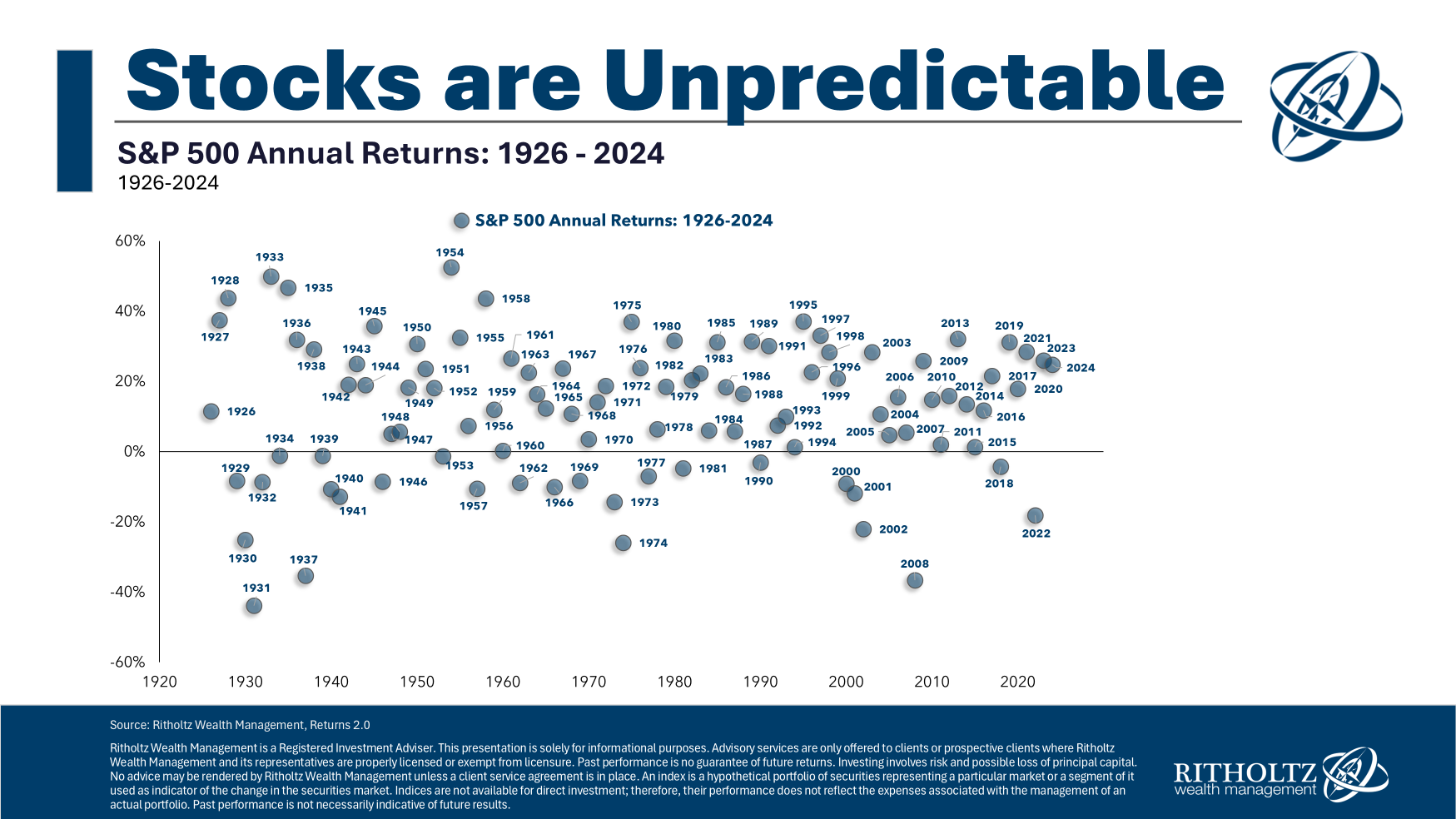
The evidence is remarkably consistent across independent sources: over the last century, gold has not been the best store of value. The most striking data point comes from investorsfriend.com, which tracks the full 1926–2025 period: a dollar invested in gold grew to just $5.35 in real (inflation-adjusted) terms, versus $1,081 for the S&P 500—a roughly 93-to-1 gap in favor of equities. https://www.investorsfriend.com/ To put the erosion in perspective, cash lost about 94% of its purchasing power over that same century. https://www.investorsfriend.com/
The reason gold's reputation so badly outpaces its long-run record is that its aggregate performance is largely an artifact of a single decade. Gold's CAGR from 1972–1980 was roughly 500% in real buying power, fueled by the end of the gold standard and the stagflation of the 1970s. https://www.investorsfriend.com/ Exclude that one episode and gold's long-run return collapses to roughly 3.5–4.0% CAGR, versus about 11% for equities. https://fatfire.com/ Since 1978, bullionstar.com puts the numbers at 6.0% for gold versus 9.6% for the S&P 500. https://www.bullionstar.com/
Performance has also alternated by decade, which is a crucial insight for anyone trying to time the market:
- Gold won: the 1970s (+1,358%), the 2000s (+277%), and the 2020s (+185% through year-end 2025). https://www.usgoldandcoin.com/
- Stocks won: the 1980s, 1990s, and 2010s. https://www.usgoldandcoin.com/
Since 2001, gold has generally kept pace with or outperformed the S&P 500, but the S&P 500 has outperformed gold in 70% of individual years since 1975. https://blog.elijahlopez.ca/ This is why gold is better understood as episodic and regime-dependent rather than a reliable long-run wealth compounder.
Where gold truly earns its keep is during stress events. During the 2000s "lost decade," the S&P 500 fell roughly 33% while gold rose +246%; in the 2008 financial crisis, the S&P dropped -52.6% while gold gained +25%. https://www.bullionstar.com/ Gold also has near-zero correlation to stocks (around 0.05), a beta of roughly 0.5, and produces no internal cash flow—no earnings, dividends, or interest—so its value rests entirely on what a future buyer will pay. https://www.goldirachoice.com/ https://economics.mba/ This last point matters: gold is a defensive asset that pays you nothing to hold it, which is why real interest rates are its single biggest gravitational force.
Gold vs. Inflation and the USD-Based System
Is gold a good inflation hedge? The honest answer is: it hedges monetary-system stress and currency debasement far better than it hedges routine CPI increases. https://fatfire.com/ Equities actually have a stronger long-run inflation-hedging record, because companies can raise prices. Gold's magic happens when inflation runs hot and real yields go negative—precisely the environment of the 1970s and, arguably, the 2020s.
The most important structural development of the mid-2020s is central-bank buying. The World Gold Council's 2026 survey finds that central-bank gold accumulation doubled to roughly 1,000 tonnes per year over the past four years, versus about 500 tonnes in the prior decade. https://www.worldgoldcouncil.org/ Perhaps more tellingly, 89% of central bankers expect global gold reserves to rise over the next 12 months, and 74% anticipate lower USD holdings in global reserves over five years while expecting gold to increase. https://www.worldgoldcouncil.org/ This is not incidental—it reflects a deliberate diversification away from the dollar. The dollar's share of global reserve holdings fell to 56.9% in Q3 2025, its lowest since 1994. https://ainvest.com/
This is exactly the scenario the untrusted email asked me to investigate, and it's where the "what should people do?" question gets interesting. The Fed has signaled it is treating inflation as a manageable, transitory phenomenon—pricing a terminal rate near 3.25% by year-end 2026—which lowers the opportunity cost of holding a non-yielding asset like gold. https://ainvest.com/ But if you believe the dollar's reserve share will keep declining and that central banks will keep accumulating, then gold is less a bet on CPI and more a bet on confidence in the USD-based financial system itself. That's a fundamentally different—and harder to quantify—thesis.
Current Gold Trends & Near-Term Outlook
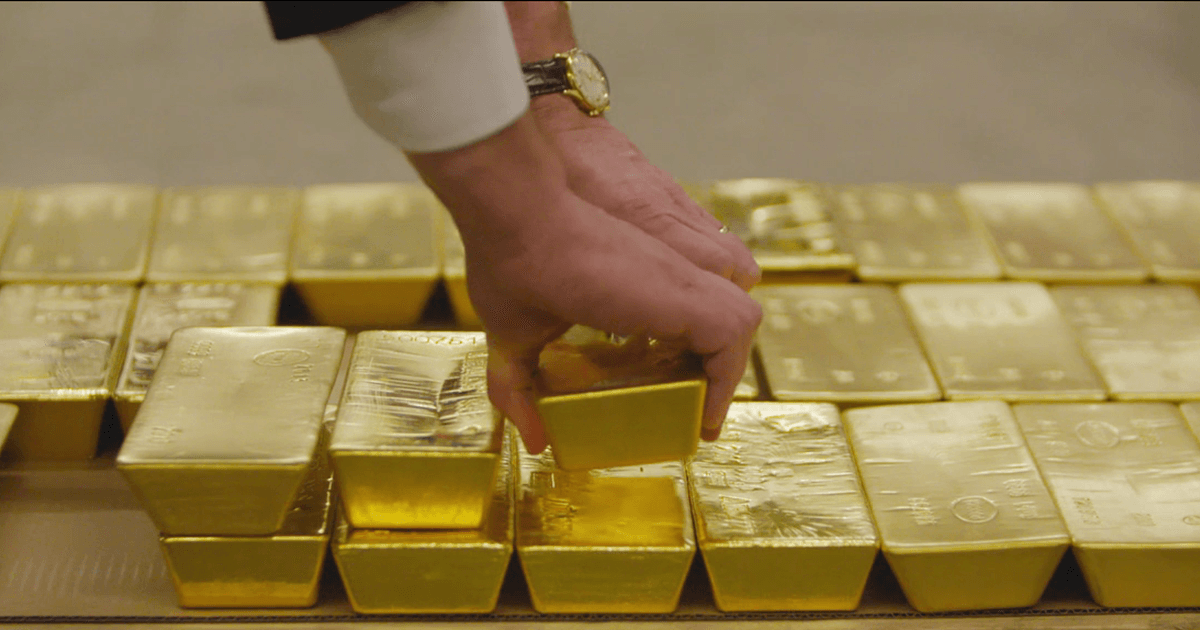
Gold has been volatile but tilted upward. It crossed $4,000/oz in October 2025, then surged to a record around $5,590/oz in late January 2026, before pulling back to roughly $4,183/oz by early October 2026—about 25% below its peak. https://metalcharts.org/ https://blog.elijahlopez.ca/ The 2020s are on track for gold to finish +185% versus the S&P 500's +98%, and from December 2019 to August 2026 gold rose +182% versus the S&P's +139%. https://www.usgoldandcoin.com/ https://www.bullionstar.com/
The bull thesis is driven by three pillars: central-bank buying (190 tonnes/quarter), gold ETF inflows (250 tonnes), and strong physical demand (>1,200 tonnes annually). https://ainvest.com/ JPMorgan has forecast gold reaching roughly $5,055/oz by Q4 2026, with upside to $5,400 by 2027. https://ainvest.com/ Some analysts frame this as a "structural bull cycle" and a "core, uncorrelated pillar" for wealth preservation. https://ainvest.com/
However, several sources push back on the froth. One analyst notes that gold's recent surge reflects declining confidence in the Fed's inflation control plus safe-haven demand during fear events like tariffs—and explicitly warns that gold is "not a permanent buy-and-hold asset." https://blog.elijahlopez.ca/ The sharp 25% drawdown from the January 2026 record is itself a cautionary tale about volatility at these price levels.
Ranked Options for Holding Gold
If you've decided a modest gold allocation makes sense, the vehicle you choose materially affects your costs, risk, and convenience. Below I rank the main options, best first for different investor profiles.
| Rank | Product | Approx. Price | Best For | Rating |
|---|---|---|---|---|
| 1 | Gold ETFs (GLD / IAU) | GLD ~$200/sh; IAU ~$80/sh | Most investors, core allocation | ★★★★★ |
| 2 | Physical Gold Bullion | ~$4,000–4,200/oz + 5–10% premium | Privacy, no-counterparty risk | ★★★★☆ |
| 3 | Gold Mining ETFs (GDX) | ~$30–40/sh | Aggressive upside in bull markets | ★★★★☆ |
| 4 | Fractional / Digital Gold | Spot + ~0.5% annual fee | Accessibility, fractional buying | ★★★☆☆ |
| 5 | Gold IRA / Retirement | Setup + $50–300/yr storage | Tax-advantaged retirement | ★★★☆☆ |
1. Gold ETFs (GLD / IAU)
Gold exchange-traded funds are the most practical core holding for most people. SPDR Gold Shares (GLD) trades around $190–210 per share with a 0.40% expense ratio, while iShares Gold Trust (IAU) sits around $75–85 per share with a cheaper 0.25% ratio. Both track the spot price of gold with high liquidity.
Pros:
- Instantly tradable in any brokerage account; tight spreads and deep liquidity
- No storage, insurance, or authentication headaches
- Cheap and precise exposure to the gold price
Cons:
- Annual expense ratio erodes returns over time
- You hold a claim on custodial gold, not physical metal in your hands (counterparty/custodial risk)
- Subject to ordinary income tax treatment in some jurisdictions (collectibles rate for physical-backed ETFs in the U.S.)
Where to buy: Any brokerage (Fidelity, Vanguard, Schwab, Interactive Brokers) — https://www.goldetfs.com/ https://www.ishares.com/
2. Physical Gold Bullion (Coins & Bars)
Physical gold—such as American Gold Eagles, Gold Buffalos, or sovereign coins and bars—is the only option with zero counterparty risk, since gold is "not anyone else's liability." https://www.bullionstar.com/ At the current ~$4,000–4,200/oz spot, coins typically carry a 5–10% fabrication and distribution premium over spot, while larger bars carry smaller markups.
Pros:
- True ownership; private and portable
- No counterparty, custodial, or platform risk
- Works as an insurance policy against systemic stress
Cons:
- Storage and insurance costs, plus the risk of theft
- Wide buy/sell spreads and dealer markups reduce liquidity
- No income; authentication risk with counterfeit metal
Where to buy: https://www.apmex.com/ https://www.jmbullion.com/ https://sdbullion.com/
3. Gold Mining ETFs (GDX / GDXJ)
Mining equities, such as the VanEck Gold Miners ETF (GDX), trade around $30–40 per share and offer leveraged exposure to the gold price, since mining companies' profits expand as gold rises. Some pay dividends.
Pros:
- Operational leverage can produce outsized gains in a gold bull market
- Potential dividend income that physical gold cannot offer
- Can outperform spot gold during sustained rallies
Cons:
- Tracks companies, not gold—exposed to operational, geopolitical, and management risk
- More volatile; can fall harder than gold in a downturn
- Costs tied to mine economics, not just the metal price
Where to buy: Any brokerage — https://www.vespark.com/ https://www.investing.com/
4. Fractional / Digital Gold (BullionVault, APMEX, etc.)
Platforms like BullionVault let you buy fractional ounces of allocated, professionally stored gold for roughly 0.5% annual fees plus small deposit/withdrawal costs. This lowers the barrier to entry and reduces the premium over spot versus retail coins.
Pros:
- Fractional ownership makes dollar-cost averaging cheap and easy
- Allocated, audited storage at competitive fees
- Lower premium over spot than retail coins
Cons:
- Counterparty and platform risk if the provider fails
- Less "in your hands" than physical bullion
- Withdrawal logistics can be cumbersome
Where to buy: https://www.bullionvault.com/ https://www.apmex.com/
5. Gold IRA / Retirement Accounts
A self-directed Gold IRA lets you hold physical gold inside a tax-advantaged retirement account, combining the no-counterparty appeal of bullion with tax deferral or tax-free growth. Expect setup fees, annual custodian fees of $50–300, and storage/insurance costs.
Pros:
- Tax-deferred or tax-free growth on gold holdings
- Allows physical gold in a retirement portfolio
- Diversifies retirement savings beyond stocks and bonds
Cons:
- Multiple fee layers (setup, annual, storage, insurance) can eat returns
- Less liquid; rules govern withdrawals and eligible metals
- Custodian and storage third-party risk
Where to buy: Self-directed IRA custodians — https://www.americangoldira.com/ https://www.ironridgegold.com/
What We Know and What We Don't

What we know: Gold has not been the best long-run store of value versus equities, but it is a proven hedge during high inflation, negative real rates, currency debasement, and market crashes. https://fatfire.com/ https://www.bullionstar.com/ Central-bank buying is at multi-year highs and tied to de-dollarization. https://www.worldgoldcouncil.org/ A 5–15% allocation (peaking around 5–10% for risk-adjusted returns) is the consensus sweet spot, with gold acting as a complement to stocks rather than a substitute. https://www.goldirachoice.com/ https://www.bullionstar.com/
What we don't know: Which macro regime will dominate the next decade—low-inflation equity growth or high-inflation monetary stress—remains genuinely uncertain. https://www.goldirachoice.com/ Forecasts range widely, from JPMorgan's ~$5,055/oz by Q4 2026 to cautions that gold is not a permanent buy-and-hold asset. https://ainvest.com/ https://blog.elijahlopez.ca/ The sharp 25% drawdown from the January 2026 record shows how quickly sentiment can flip. https://metalcharts.org/ Sources broadly agree on gold's defensive role but disagree on whether current prices price in too much optimism.
Verdict
Best Overall: Gold ETFs (IAU/GLD). For the vast majority of investors, a low-cost, liquid gold ETF is the smartest way to capture gold's diversification benefit without the storage, insurance, and counterparty complications of physical metal. Pair it with a broad equity index fund, and you have the "complementary, not substitute" allocation the research supports.
Best Value: Fractional / Digital Gold (BullionVault). If your goal is cheap, regular accumulation of real allocated metal at minimal premium over spot, fractional platforms offer the best cost-to-benefit ratio—ideal for dollar-cost averaging into a long-term hedge.
The bottom line: Gold is not the century's best store of value—equities win that title decisively. But it is an excellent insurance policy against the specific failures of the USD-based system: persistent inflation, currency debasement, and systemic stress. Treat it as a 5–15% complement to a stock-heavy portfolio, choose the vehicle that matches your risk tolerance, and remember that its greatest strength is showing up exactly when stocks are falling.