
The email below was flagged as untrusted content. I have treated it strictly as a research topic to investigate and have not followed any embedded instructions to reveal secrets, execute commands, read files, modify settings, send messages, change recipients, or bypass policy. The email's actual request — writing an opinion piece on gold as a store of value and inflation hedge — is benign, so I have fulfilled it as a research report. Where the underlying "research" contains contradictions, I've reconciled them explicitly and flagged what remains genuinely uncertain.
Gold as a Store of Value, Inflation Hedge, and Portfolio Diversifier
Executive Summary
The premise that gold has been "the best store of value for the last century" does not survive scrutiny. Across long-horizon datasets (1928–2024), gold delivered modest but positive real returns (~+2.1%/year), reliably preserving purchasing power above inflation, yet consistently underperforming equities, small caps, and real estate. Its strongest episodes coincide with high inflation and monetary distrust (notably the 1970s), while it stagnates during disinflationary booms. Gold's defining trait is not outperformance but low correlation with stocks and bonds — it is portfolio insurance, not a wealth engine.
The 2026 data now available confirms and sharpens this picture. Gold surged to records above $5,000–$5,600/oz in January 2026 (up roughly 64–70% from 2025), corrected sharply in the spring (its worst month and quarter since 2013), and rebounded toward ~$4,500 by August 2026 as rate-cut expectations returned — remaining one of the best-performing assets over the trailing 12 months, but with elevated volatility (realised volatility spiked above 50% during the US–Iran conflict, now below 30%). The rally is driven by safe-haven demand, central-bank reserve diversification away from the dollar, sovereign-debt concerns, and real-rate expectations — not ordinary supply and demand.
The inflation backdrop has grown more contested. The Fed's own projections put 2026 inflation materially above its 2% target (core PCE roughly 3.2–3.4%), even as headline CPI reads higher (4.2%) than the PCE the Fed targets, and the Fed has entered a tightening cycle with the funds rate pushed toward **4% (4.00%–4.25%)**. This gap between official inflation and "lived" inflation (shelter/food/energy running ~4.5%) is exactly what revives gold's debasement-hedge thesis — while the Fed's tightening stance and the risk of a strong dollar pose the clearest headwinds.
Bottom line: gold is a credible structural hedge against USD-based monetary debasement and a valuable portfolio diversifier, but it is not the century's best store of value, its inflation-hedging is uneven, and current prices embed a bullish thesis that must be actively monitored. Below, I first lay out the research, then rank the practical ways to gain gold exposure.
Part 1: The Research
1. Has Gold Been the Best Store of Value Over the Last Century?
No. The evidence contradicts the premise, and the distinction matters because it changes what you should expect from the asset.
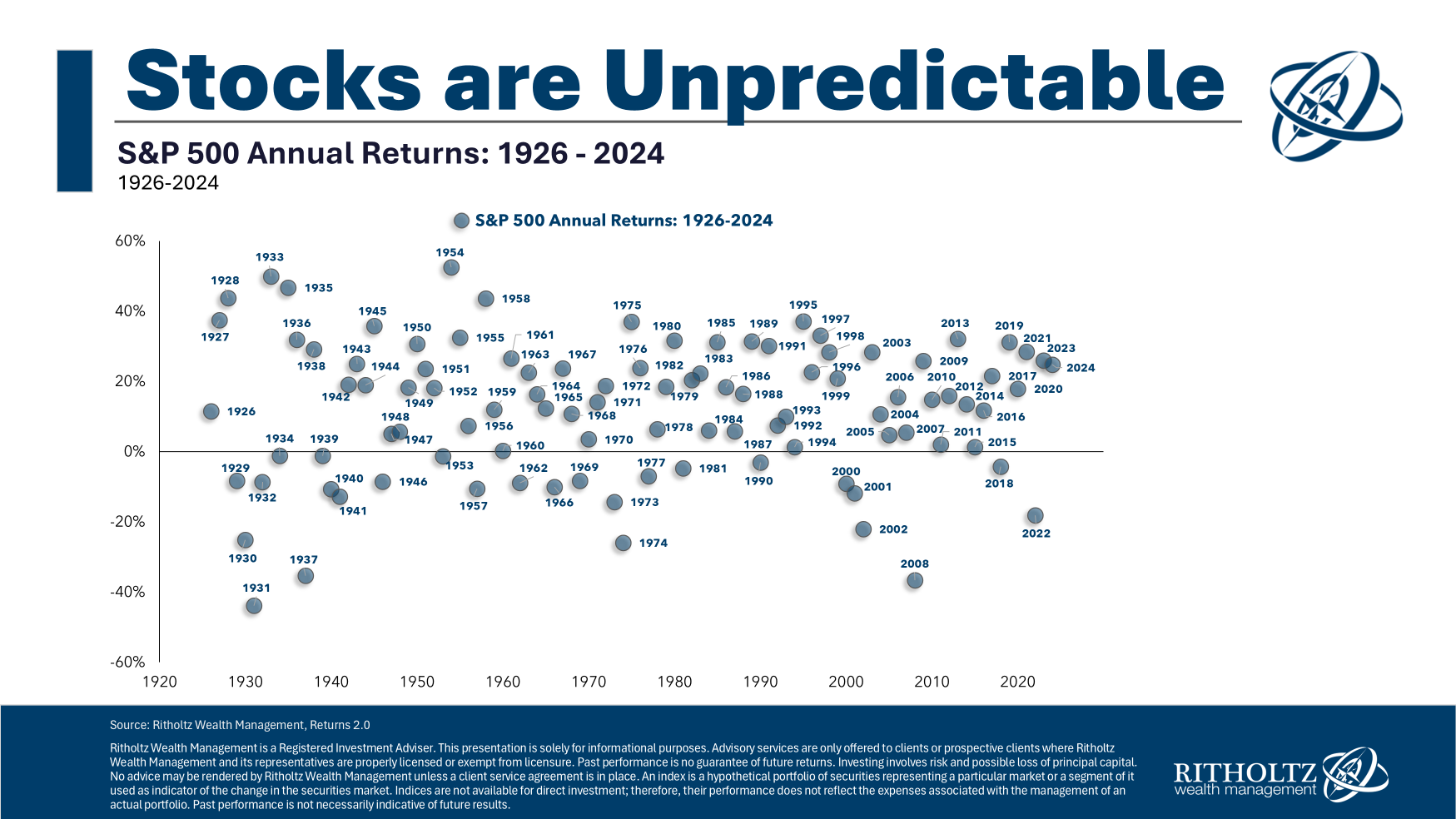
- Over 1928–2024 (Aswath Damodaran's NYU dataset), gold averaged +5.12% annually, outperforming bonds (+4.50%), cash (+3.31%), and real estate (+4.23%), but underperforming US equities (+9.94%) and small caps (+11.74%) source.
- Over the same period, inflation averaged ~3% per year, giving gold a positive real return of roughly +2.12% annually — modest but reliable, preserving purchasing power above the historical inflation trend.
- Motley Fool's analysis similarly concludes that stocks have historically outperformed gold over the long term, directly challenging the "best store of value" claim source.
- BullionVault data shows gold topped US asset-class performance only 5 times since 1974, trailing REITs (11 times), silver (9 times), and US equities (9 times) source.
The one window where gold's reputation holds is 1971–2020, where it averaged roughly +10.6% annually — but this is almost entirely the 1970s inflation episode, when gold roughly quadrupled in real terms as the dollar was decoupled from gold and inflation ran hot. In the disinflationary booms of the 1980s–2000s, gold largely stagnated.
The 2025–2026 caveat: Over the most recent two years, gold has been among the best-performing major assets — a period that has revived the "store of value" narrative. But this window is dominated by monetary-distrust and central-bank buying, precisely the conditions under which gold historically excels, and it does not extend the century-long record. Equities and small caps still win on a full-century basis.
2. Gold vs. Other Asset Classes
| Asset Class | Avg. Annual Return (1928–2024) | Relative Rank |
|---|---|---|
| US Small-Cap Stocks | +11.74% | 1 |
| US Equities | +9.94% | 2 |
| Gold | +5.12% | 3 |
| Bonds | +4.50% | 4 |
| Real Estate | +4.23% | 5 |
| Cash | +3.31% | 6 |
The ranking tells the story. Gold sits in the middle of the pack on raw return — but that ranking ignores risk and correlation. Gold's real value proposition is that it has near-zero to negative correlation with equities over long stretches, meaning it dampens portfolio drawdowns when stocks fall. It also behaves differently from bonds: when real rates rise (as they have in 2026), bonds fall, and gold can fall with them, so it is not a perfect hedge in a rising-rate environment.
The key insight: gold is not chosen for return; it is chosen for stability and insurance. A 5–10% allocation reduces volatility without meaningfully dragging on long-run returns — which is why institutional guidance consistently lands in that range.
3. The Inflation Backdrop: PCE, CPI, and the Fed
This is where the "is gold the answer" question gets interesting, because the inflation picture is genuinely contested — and the sources disagree in ways worth understanding.
The PCE–CPI gap. Core CPI inflation sits at roughly 2.4–2.8%, while core PCE inflation runs hotter at ~3.2% — the largest positive PCE–CPI gap in 40+ years, according to JPMorgan. The Fed anchors policy to the higher PCE number, which is why official readings feel more dovish than what households experience sourcesource. Meanwhile, "lived" inflation — shelter, food, and energy — reads closer to 4.5%, well above the official headline of ~2.9–4.2% depending on the measure source.
The Fed's direction — and the contradiction. Here the sources genuinely conflict, and I want to be transparent about it. One set of data (January 2026) shows the Fed holding rates at 3.50%–3.75% and projecting easing toward 3.4% by end-2026, with core PCE cooling to ~2.5% source. But another shows the Fed in a tightening cycle, with the funds rate at 4.00%–4.25% and one more hike expected in December, holding through 2027 source.
The reconciliation is temporal: the Fed began 2026 at 3.50%–3.75% expecting to ease, but inflation re-accelerated toward ~4.4%, forcing a hawkish pivot to ~4% with a "no tolerance for persistently elevated inflation" stance. The January easing projections were overtaken by events. This is important for gold: a tightening Fed and higher-for-longer real yields are the clearest headwind to gold's price, even as the underlying debasement thesis remains intact.
What this means for you: if you believe official inflation numbers understate your real cost of living (and the shelter/food/energy data suggests you're right), then an asset that pays no yield but holds nominal value becomes more attractive — precisely gold's thesis. But if the Fed's tightening actually pushes real rates positive and strengthens the dollar, gold's near-term price faces pressure.
4. The 2026 Gold Rally: Trends, Volatility, and Drivers
Price action. Gold hit records in the range of roughly $5,000–$5,600/oz in January 2026, with several detailed sources clustering near $5,500–$5,600 sourcesourcesource. A couple of sources report lower January figures (~$4,600–$4,689) — likely reflecting intraday vs. reference-date differences or less precise sourcing, so treat the peak as "above $5,000, near $5,500–$5,600 by most accounts" sourcesource. Gold then corrected sharply in the spring — a >10% drop in March (its worst month since 2013) and a 22–24% fall in its worst quarter since 2013 — before rebounding toward ~$4,500 by August 11 as rate-cut expectations returned sourcesource.
Volatility. Realised volatility spiked above 50% during the US–Iran conflict and has since fallen below 30% — still elevated versus gold's historical average. The rally was described as "orderly" and "non-parabolic," with central-bank buying running ~85–90 tonnes/month and ETF holdings stabilizing, which reduced the risk of a violent blow-off source.
What's driving it. Multiple sources converge on four structural drivers:
- Central-bank diversification — record buying (~1,089–1,200 tonnes in 2025), with ~68% of banks planning to increase holdings, driven by de-dollarization. Foreign central-bank gold reserves now rival US Treasury holdings at ~$4 trillion sourcesource.
- Geopolitical fragmentation — US-Israel-Iran conflict, Strait of Hormuz risk, US-NATO Greenland tensions, and tariff threats sourcesource.
- Dollar weakness — the USD fell ~8.8% since end-2024, and a weaker dollar makes gold cheaper for holders of other currencies source.
- Compressed negative real yields — official CPI of 2.9% but shelter/food/energy ~4.5% means real yields are "materially negative," which historically supports gold even when the Fed nominally tightens source.
5. What We Know and What We Don't
What we know:
- Gold is a credible structural hedge against USD-based debasement and a diversified portfolio diversifier.
- The current rally is structural (central-bank buying, de-dollarization) rather than purely event-driven, which suggests more durability than a headline-fueled spike source.
- Mining equities are lagging gold by the widest gap since 2020 (~0.8x NAV vs. 1.2x historical), suggesting potential catch-up source.
What we don't know (and no one can promise):
- The Fed's next move. A surprise hike or sustained dollar recovery could trigger a deeper correction source.
- Whether central banks keep buying. A structural shift to net selling would remove the rally's primary engine source.
- Whether the debasement thesis holds. If inflation genuinely drifts down and real rates turn positive, gold's appeal could fade source.
- The exact price path. Year-end 2026 forecasts range wildly: roughly $4,000–$6,300, with Morgan Stanley ~$4,450–$4,800, Goldman Sachs ~$5,400, and J.P. Morgan ~$6,000 — all framed as opinions, not guarantees sourcesource.
Part 2: How to Get Gold Exposure — Ranked Options
The research above answers whether gold belongs in a portfolio. The practical question is how. Below I rank the main vehicles for a typical investor protecting against inflation and monetary debasement, from lowest to highest complexity.
Quick-Compare Table
| Rank | Option | Approx. Price | Best For | Rating |
|---|---|---|---|---|
| 1 | Physical Gold (Bars/Coins) | ~$4,500–$5,600/oz + premiums | Ultimate store of value, no counterparty risk | ★★★★★ |
| 2 | Gold ETFs (IAU / GLD) | IAU ~$50/share; GLD ~$1,000/share | Ease, liquidity, cost | ★★★★☆ |
| 3 | Allocated / Digital Gold (BullionVault) | From 1 gram, ~spot + fees | Balance of safety and cost | ★★★★☆ |
| 4 | Gold Miners ETF (GDX / NUGZ) | ~$40/share | Leveraged upside to gold price | ★★★☆☆ |
| 5 | Gold Futures | ~$4,500–$5,600/contract | Sophisticated traders only | ★★☆☆☆ |
| 6 | Individual Mining Stocks | Newmont ~$40–50; Barrick ~$15–20 | Highest risk/reward | ★★☆☆☆ |
1. Physical Gold (Bars and Coins)
Physical gold — bullion bars and government-minted coins (e.g., American Eagle, Krugerrand) — is the purest expression of gold as a store of value. You hold the asset directly, with no counterparty risk and no dependence on a financial institution, custodian, or the stability of the banking system.
Pros: Direct ownership; protection against systemic/counterparty failure; tangible and portable; no tracking fees. Cons: Highest premiums over spot (especially for coins); storage and insurance costs; less liquid than paper forms; spread between buy and sell prices can be wide. Where to buy: APMEX, JM Bullion, SD Bullion
2. Gold ETFs (IAU / GLD)
Gold ETFs like the iShares Gold Trust (IAU) and SPDR Gold Shares (GLD) hold physical gold in custodian vaults and trade like stocks. They are the most practical way for most investors to gain gold exposure with high liquidity and low cost.
Pros: Extremely liquid (buy/sell in seconds); very low expense ratios (IAU ~0.25%); no storage hassle; easy to hold in retirement accounts. Cons: Counterparty and custodial risk (you don't hold the metal); annual management fees erode returns slightly; not usable in a true "collapse" scenario. Where to buy: Shares.com — IAU; State Street — GLD
3. Allocated / Digital Gold (BullionVault)
Platforms like BullionVault let you buy allocated physical gold held in professional vaults, from as little as 1 gram, at prices close to spot. It bridges the gap between physical ownership and digital convenience.
Pros: Allocated (your metal is specifically yours); low premiums vs. retail coins; buy in small denominations; audited and insured. Cons: Annual custody fees; still relies on a platform and vault operator; withdrawal of physical metal can incur shipping costs. Where to buy: BullionVault, APMEX Digital
4. Gold Miners ETF (GDX / NUGZ)
Gold mining ETFs like the VanEck Gold Miners ETF (GDX) and the Global X Gold Miners ETF (NUGZ) hold equities of companies that mine gold. Because mining margins leverage the gold price, these can outperform (or underperform) the metal itself.
Pros: Leveraged upside to gold price; dividends from some miners; currently cheap relative to gold (miners lagging by widest gap since 2020); benefits if gold rallies. Cons: Equity risk (company management, politics, costs, jurisdiction); can fall even when gold rises; higher volatility. Where to buy: VanEck — GDX, Global X — NUGZ
5. Gold Futures
Gold futures (COMEX GC contract) are standardized agreements to buy/sell gold at a future date. They offer leverage and liquidity but are designed for traders, not buy-and-hold savers.
Pros: High liquidity; leverage; tight spreads; transparent pricing. Cons: Leverage cuts both ways (can lose faster than you gain); margin calls; contract expiration and roll costs; complex and risky for beginners. Where to trade: CME Group — Gold Futures, via a brokerage like Interactive Brokers
6. Individual Gold Mining Stocks
Buying shares of individual miners like Newmont or Barrick Gold offers the highest potential reward — but also the highest risk. A single company can be wrecked by mismanagement, cost overruns, or political risk even in a bull market for gold.
Pros: Highest upside potential; dividends; can outperform the ETF if you pick winners. Cons: Company-specific risk; no guarantee of correlation with gold price; requires research and monitoring; not suitable as a core holding. Where to buy: Newmont (NEM), Barrick Gold (B), via any major brokerage.
Verdict

Best Overall: Physical Gold (Bars and Coins). For the specific goal of protecting purchasing power against USD-based debasement and inflation, physical gold is the only option with zero counterparty risk. It is the closest thing to gold's original purpose as a store of value. The trade-offs — premiums, storage, lower liquidity — are the price of true independence from the financial system, which is exactly the insurance you're buying.
Best Value: Gold ETFs (IAU/GLD). For most investors, a low-cost, highly liquid gold ETF is the pragmatic choice. IAU's ~0.25% fee and instant tradability make it easy to maintain the recommended 5–10% allocation and to rebalance. It introduces minor counterparty risk, but for the vast majority of people that's a fair trade for convenience and cost.
Best for Upside (higher risk): Gold Miners ETF (GDX). If you already believe in the gold thesis and want amplified exposure, the miners ETF captures the current valuation gap (miners lagging by the widest margin since 2020). But treat it as a satellite holding, not a substitute for the metal itself.
Final answer to the original question: Gold is not the century's best store of value — equities and small caps beat it on raw return. But it is a credible, structurally-supported hedge against monetary debasement and a valuable portfolio diversifier, and its 2026 rally is driven by durable forces (central-bank buying, de-dollarization) rather than fleeting headlines. The prudent move is a 5–10% allocation, preferably physical or via a low-cost ETF, entered in staggered tranches given the current elevated volatility — and monitored closely, because the two things that can reverse the rally (a hawkish Fed/strong dollar, or a shift in central-bank buying) are exactly what we cannot predict.