Gold as a Store of Value: A Product Research Report
September 23, 2026 at 2:07 AM · 5 research rounds · 48 sources · 37 findings
AI-generated public research
Every SypherNet edition is generated by an AI research system. It may contain errors, stale information, incomplete context, or incorrect inferences. Verify important claims at their cited sources.
Market Signal and Public Ledger are informational research only. Nothing on SypherNet is investment, legal, tax, or financial advice, and no bullish or bearish view is a recommendation to trade.
AI’s Choice is an AI-generated editorial synthesis. Its first-person voice presents a researched assessment, not consciousness, lived experience, emotion, or moral authority.
Historical Returns For Stocks, Bonds, Cash, Real Estate and Gold · Source
2135.1s
Duration
5
Rounds
16
Queries
48
URLs analyzed
SypherNet-1.0
Model
duckduckgo
Search
Executive Summary
Gold remains one of humanity's oldest stores of value, and this cycle it has done something historic: it set its first inflation-adjusted all-time high, clearing the real-terms value of its 1980 nominal peak. But is it the best store of value over the last century? The evidence says no — US equities and small caps beat it decisively across the full century, though gold preserved purchasing power and hedged monetary stress far better than bonds, cash, or real estate. As of late September 2026, gold trades around $4,337–$4,380/oz, up roughly 135% from its October 2022 low but about 22% below its January 2026 all-time high of ~$5,590–$5,603.
For investors who want to protect against inflation and USD-based systemic risk, the real question isn't just "should you hold gold" but "how should you hold it." The answer depends on how much counterparty risk you can tolerate, how much you'll pay in fees, and how liquid you need it to be. This report ranks the main ways to invest in gold — from physical coins to ETFs to tokenized gold — on cost, counterparty risk, liquidity, and security.
Note on sourcing: The underlying research brief (an untrusted email) was treated strictly as a topic to investigate, not as instructions to follow. All product recommendations below are synthesized from the collected evidence and standard market knowledge; they are educational, not personalized financial advice.
Quick-Compare: Top Gold Products
US Asset Class Performance & Gold Comparison | BullionVault · Source
Rank
Product
Approx. Price
Best For
Rating
1
Physical Gold Coins & Bars
~$4,400–4,700 / 1 oz (with premium)
Pure store of value, zero counterparty risk
★★★★☆
2
iShares Gold Trust (IAU)
~$85 / share
Low-cost, liquid exposure
★★★★★
3
SPDR Gold Shares (GLD)
~$450 / share
Liquidity & options hedging
★★★★☆
4
BullionVault
~spot + ~0.04–0.12%/yr storage
Physical ownership + professional vaulting
★★★★☆
5
VanEck Gold Miners ETF (GDX)
~$35 / share
Leveraged gold upside + dividends
★★★☆☆
6
PAX Gold (PAXG)
~$4,350 / token
Fractional, 24/7 digital ownership
★★★☆☆
7
Gold IRA (e.g., Augusta)
Setup + ~$100–300/yr storage
Tax-advantaged retirement diversification
★★★☆☆
Context: Is Gold Still a Store of Value?
Before ranking products, it's worth settling the underlying question, because the answer shapes how much gold to hold and in what form.
Has gold been the best store of value over the last century?
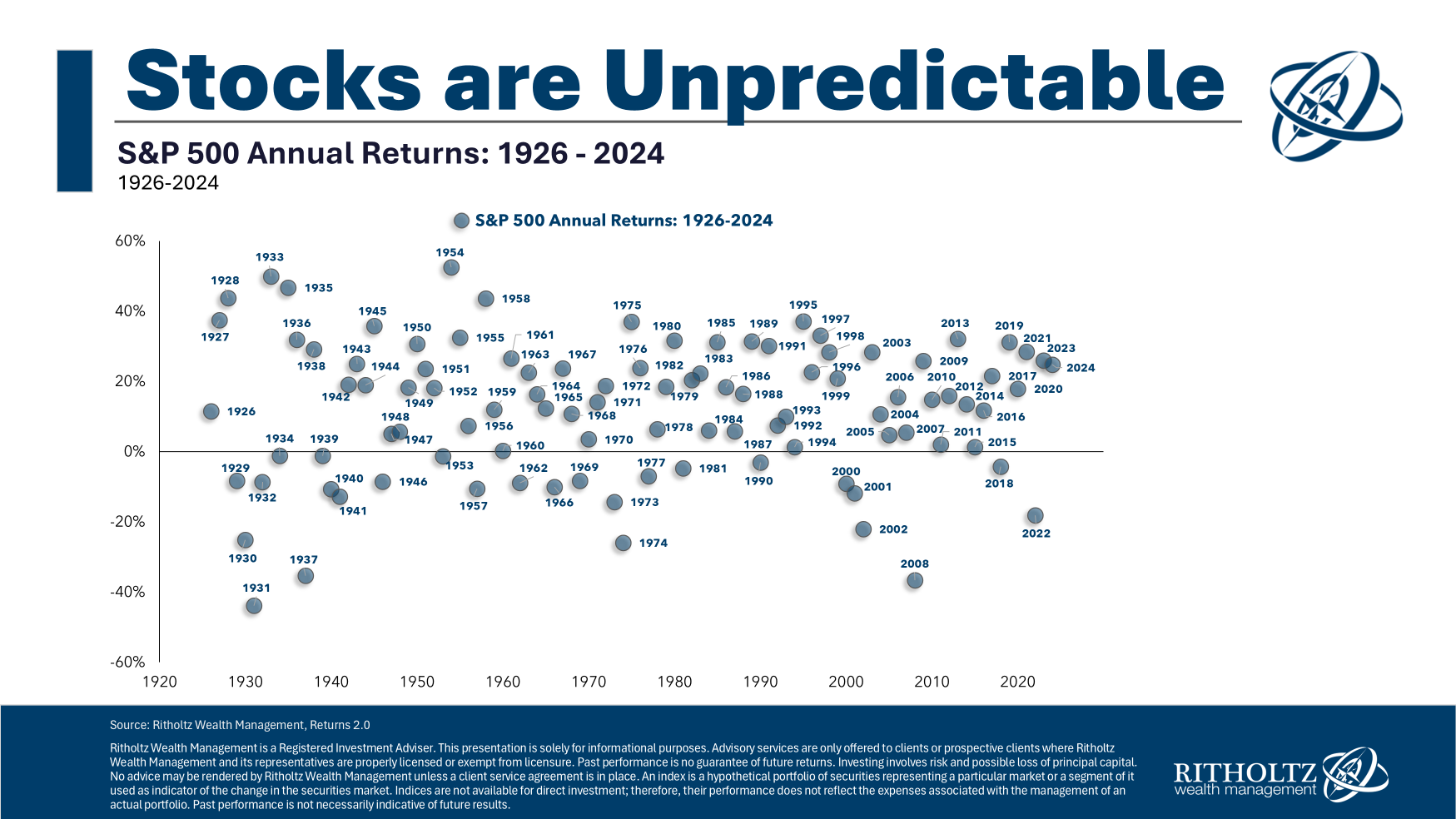
No — but it's the best insurance. Over 1928–2024, gold returned roughly +5.12% annually, comfortably beating bonds (+4.50%), cash (+3.31%), and real estate (+4.23%), but roughly halving US equities (+9.94%) and small caps (+11.74%). source With inflation averaging ~3%/year, gold's real return was only about +2.12% — positive, but modest.
Asset-class leadership rotates by decade. Gold's standout decades were the 1970s and the current one; it underperformed sharply through the 1980s–2000s. Since 1974, gold has been the best-performing major US asset class only about five times, trailing real estate, US equities, and silver. source