
Gold has reasserted itself as the premier store of value in an era defined by persistent inflation, structural de-dollarization, and unprecedented central bank accumulation. As of August 2026, the metal trades near $4,647.50 per troy ounce, reflecting a +34.69% annual gain while remaining roughly 18% below its 52-week high. This report evaluates gold’s century-long performance against fiat depreciation, analyzes the evolving inflation-USD nexus, and examines the record-breaking official sector demand that has established a structural price floor. While short-term volatility and macroeconomic uncertainties persist, the consensus among major financial institutions points to further upside, with targets reaching $6,000 per ounce. For individuals and institutions operating in a USD-denominated economy, gold functions not as a tactical trading vehicle but as essential portfolio ballast—a long-term hedge against currency devaluation, inflation, and geopolitical counterparty risk.
The Case for Gold in a Shifting Monetary Landscape
Why Gold Matters Now
The question of how to protect purchasing power in a high-inflation, dollar-centric economy is not new, but the mechanisms driving it have fundamentally changed. For decades, the conventional wisdom held that inflation was a transient phenomenon easily managed by the Federal Reserve. That narrative has been thoroughly dismantled by a macroeconomic environment where headline inflation remains stubbornly above 4%, energy markets are volatile, and the global financial system is actively repricing geopolitical risk. In this context, gold has emerged not merely as a historical curiosity but as a critical component of modern portfolio defense. Its relevance is amplified by a structural shift in how nations manage reserves, a persistent erosion of fiat purchasing power, and a financial system that increasingly penalizes cash-heavy strategies. Understanding gold’s role requires looking beyond short-term price action and examining the deeper monetary and geopolitical currents that have elevated it to its current status.
Gold's Century-Long Track Record: Preservation vs. Growth
The Mathematics of Wealth Preservation
Over the past fifty years, gold has delivered an average annual return of approximately 7.8%, decisively outperforming the U.S. Dollar Index, which has depreciated by roughly 0.5% annually over the same period see long-term asset comparison. Since 2005, the asset has compounded at a 10.9% annual rate, posting positive returns in 71% of those years see annual return data. Over a twenty-five-year horizon, gold has generated a +428% real return, effectively quadrupling in value and transforming a $10,000 investment into approximately $172,000, compared to roughly $15,000 in a traditional savings account see historical return comparison. While the S&P 500 has averaged roughly 10.5% annually over the same period see equity vs gold analysis, this performance profile clarifies gold’s true role: it is not a wealth-generation engine like equities, but rather a wealth-preservation tool.
The Fiat Erosion Problem
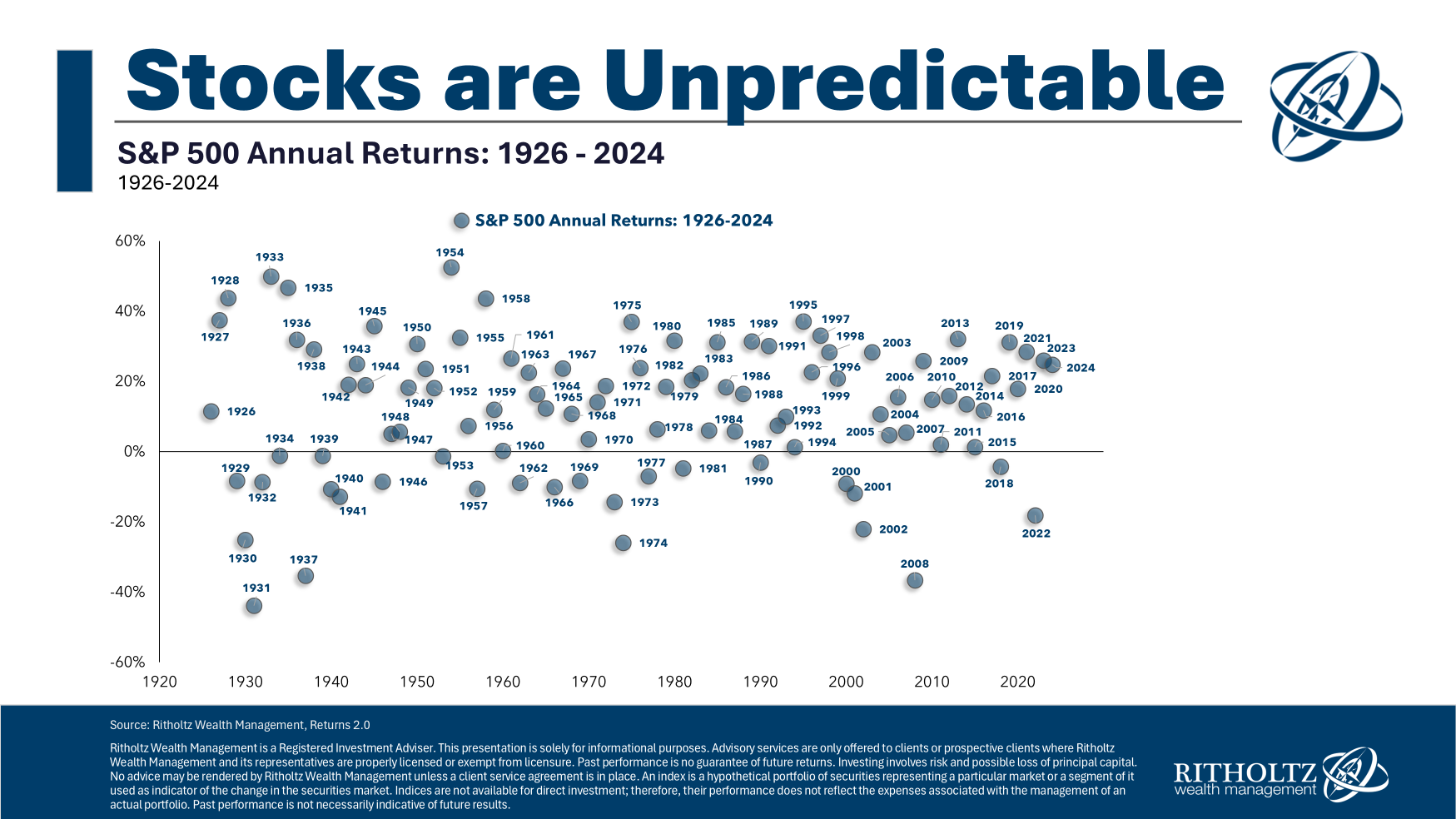
The argument for gold is further reinforced by the relentless erosion of fiat purchasing power. Since the United States severed the final link to the gold standard in 1971, the dollar has lost approximately 87% of its purchasing power see purchasing power decay data. This “sound money” dynamic—where currency cannot be expanded by legislative decree—underpinned the 19th-century gold standard and continues to drive demand in an era of unchecked monetary expansion. Historical return data spanning 1928 to 2024 confirms that gold excels during periods of monetary instability, currency debasement, and prolonged inflation, while equities and real estate tend to dominate in low-inflation, growth-oriented environments [see multi-asset historical returns](https://awealthofcommonsense.com/2025/01/historical-returns-for-stocks-bonds-cash-real-estate-and-gold/; https://awealthofcommonsense.com/2026/01/historical-returns-for-stocks-bonds-cash-housing-gold-2025/). The asset’s century-long track record supports its classification as a premier store of value, particularly when measured against fiat currency depreciation rather than total portfolio returns.
The Inflation-USD Nexus: De-Dollarization and the New Reserve Paradigm
Inflation as a Hidden Tax on Currency Holders
In a global financial system anchored by the U.S. dollar, inflation is effectively a tax on currency holders. When the dollar weakens or purchasing power erodes, gold historically appreciates as a counterweight. This inverse relationship is not guaranteed in the short term—gold can trade sideways or decline during risk-on environments or rising real yields—but over multi-decade horizons, it consistently tracks cumulative inflation and currency devaluation see inflation correlation analysis. However, the dynamics of the USD-denominated economy have shifted structurally. The 2022 freezing of Russian sovereign assets by Western jurisdictions served as a catalyst for a fundamental re-evaluation of reserve management. Central banks now view gold not merely as a hedge against inflation, but as essential “inflation insurance” and a safeguard against geopolitical counterparty risk see central bank reserve strategy.
The Structural Shift Away from Dollar Reliance
This de-risking from dollar-denominated assets has accelerated de-dollarization trends, with major economies actively diversifying into gold to insulate their balance sheets from potential future sanctions or monetary policy shocks emanating from the U.S. The structural drivers of this demand are multifaceted: central banks are prioritizing gold for its “crisis performance” and ability to act as a non-correlated reserve asset during geopolitical fragmentation see official sector analysis. For individuals and institutions operating in a USD-denominated economy, gold serves as a structural hedge against the very mechanism that quietly erodes savings: sustained monetary expansion, rising price levels, and the geopolitical weaponization of financial infrastructure. What is known is that this trend is deeply entrenched and unlikely to reverse; what remains uncertain is the pace at which emerging markets will complete their transition away from dollar-heavy reserve portfolios.
Central Bank Accumulation: The Structural Demand Floor
Record-Breaking Official Sector Buying
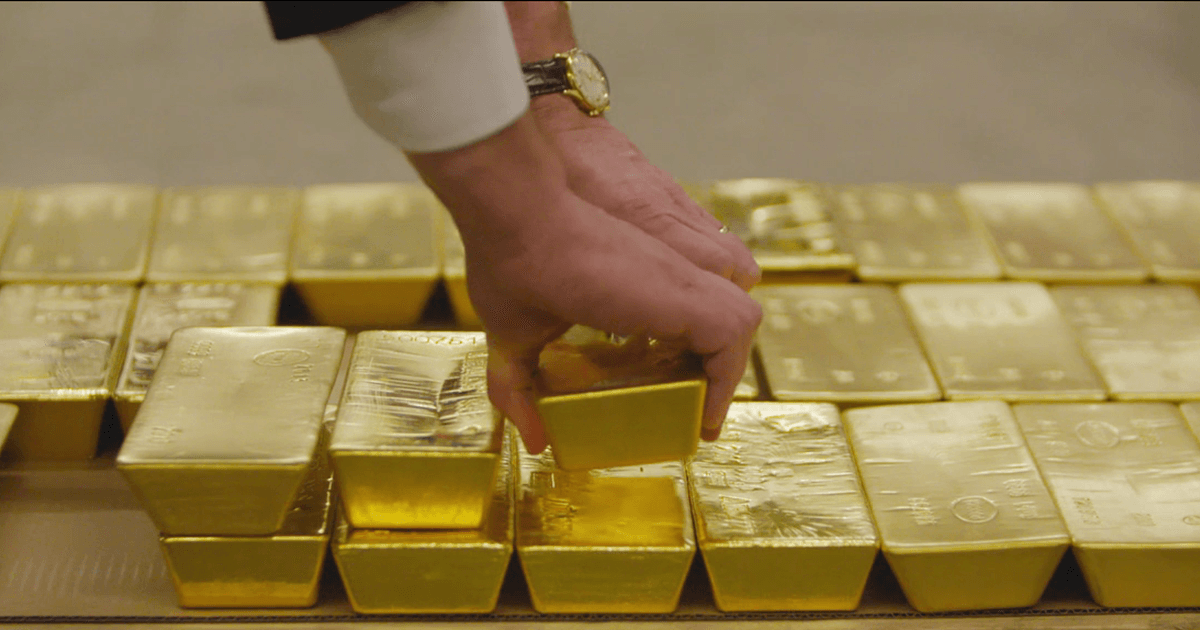
The most significant development in the gold market over the past two years is the unprecedented pace of official sector buying. Central banks added approximately 1,200 tonnes of gold in 2025, continuing a trend that has seen gold rise to account for roughly one-fifth of all historically mined gold in official reserves [see reserve data by country](https://onlinegold.org/analysis/central-bank-gold-reserves-2026/; https://www.gold.org/goldhub/data/gold-reserves-by-country). This accumulation is driven by three primary factors: inflation insurance, geopolitical de-risking, and crisis performance. With inflation proving persistent, central banks are prioritizing assets that preserve real value over yield-bearing instruments vulnerable to currency debasement see central bank demand drivers. The post-2022 landscape has driven a multi-year diversification away from Western sovereign debt, with emerging market central banks leading the charge see reserve diversification trends.
Implications for Price and Market Structure
This structural demand has created a robust price floor. Major financial institutions, including Goldman Sachs and JPMorgan, have issued updated targets reflecting the structural bull case, with consensus pointing toward $6,000 per ounce supported by sustained official sector demand [see institutional price targets](https://www.en.goldinvest24.pl/blog/central-banks-are-buying-gold-at-record-pace; https://goldmarketdaily.com/gold-price-forecast-2026-what-goldman-sachs-jpmorgan-and-major-banks-are-predicting/). While short-term volatility persists—evidenced by isolated sales such as Turkey’s crisis-driven liquidations—the overwhelming consensus indicates that gold remains the primary defensive asset for preserving purchasing power in an increasingly uncertain global financial landscape see central bank liquidation context. Sources largely agree on the directional bias, though some analysts caution that speculative positioning and retail FOMO could amplify short-term drawdowns if macro conditions shift unexpectedly.
The 2026 Macro Backdrop: Persistent Inflation & Fed Policy
The Fed’s Tightrope Walk
The current environment sharply contradicts earlier narratives that inflation was a transient phenomenon. As of July 2026, the Federal Reserve has held its policy rate at 3.50%–3.75%, while headline PCE inflation sits at 4.1% and core PCE at 3.4% [see current rate data](https://www.usbank.com/investing/financial-perspectives/market-news/federal-reserve-interest-rate.html; https://www.federalreserve.gov/monetarypolicy/2026-07-mpr-part1.htm). The acceleration is largely driven by Middle East-induced energy shocks, rising food costs, and elevated core goods inflation. The Fed Chair has explicitly rejected the notion of a “soft target,” reaffirming a strict 2% inflation goal and emphasizing that restoring central bank credibility is paramount. While longer-term inflation expectations remain anchored near 2%, shorter-term expectations have climbed sharply, reflecting genuine consumer and business pricing pressures.
The Tension Between Policy and Reality
The Fed is actively reviewing its inflation frameworks to address these dynamics, signaling that the current regime is neither benign nor easily resolved. This policy uncertainty creates a complex environment for gold. Historically, rising real yields pressure gold, but the current dynamic is more nuanced: if the Fed is forced to hike aggressively to combat entrenched inflation, the resulting economic slowdown could paradoxically boost safe-haven demand for gold. Conversely, if inflation proves sticky despite rate hikes, the metal benefits from its traditional role as an inflation hedge. What is known is that the Fed’s credibility hinges on its ability to restore price stability; what is unknown is whether political pressures, energy supply constraints, or structural labor market shifts will force a more accommodative stance than currently anticipated.
Current Gold Trends: Volatility, Institutional Forecasts, and the Knowns vs. Unknowns
Price Action and Market Dynamics
Gold has exhibited pronounced volatility in recent years but maintains a clear upward bias. As of August 25, 2026, gold trades at approximately $4,647.50 per troy ounce, exhibiting minimal daily volatility (-0.07%) within a narrow intraday range of $4,619.30 to $4,697.50 [see