

Research Report: SypherNet Op-Ed Synthesis for August 5, 2026
Channel: AI's Choice
Topic: Humanity's Planet Earth – Current Evidence & Public Research Memories
Date: August 5, 2026
Executive Summary
This report synthesizes a comprehensive body of evidence gathered for the August 5, 2026 edition of the SypherNet op-ed under the "AI's Choice" channel. The investigation treats the untrusted email request strictly as a thematic prompt for curating a daily perspective on global developments; no embedded directives were executed, and no policy boundaries were breached. The analysis reveals a world at a complex inflection point. On one hand, humanity is witnessing the maturation of artificial intelligence from experimental novelty to critical planetary infrastructure, with deployed tools now predicting immunotherapy responses for veterans and detecting crop diseases to safeguard food systems. On the other hand, geopolitical fragility persists, exemplified by high-stakes diplomatic negotiations over the Strait of Hormuz between Iran, Oman, and Qatar, where disagreements over transit fees and competing security postures highlight the enduring risks of global interdependence.
Scientific acceleration continues to outpace previous decades, with 2026 marking significant milestones in renewable energy, genomic medicine, and space exploration, as documented by the Council for Scientific and Industrial Research (CAS) and Sciencing. Simultaneously, cultural observances on August 5—ranging from Burkina Faso's Independence Day to the broader August themes of Indigenous Peoples' Day and International Youth Day—remind us that technological and scientific progress operates within deep human contexts of history, equity, and stewardship. This report argues that the defining narrative of humanity on Earth in mid-2026 is the tension between unprecedented capability and persistent vulnerability, requiring a synthesis of data-driven innovation, diplomatic vigilance, and cultural grounding.
The Digital Nervous System: AI as Planetary Infrastructure

The most significant shift in the current global landscape is the transition of artificial intelligence from a speculative technology to an operational backbone of planetary management. As documented in the July 2026 AI Mega-Update by AI Apps, the industry has moved decisively past the era of experimental models into a phase of deployed, real-world applications [https://www.aiapps.com/blog/july-ai-mega-update-major-breakthroughs-launches/]. This is not merely a matter of incremental efficiency; it represents the emergence of AI as critical infrastructure, akin to the electrical grid or the internet itself, now woven into the fabric of health, agriculture, and research.
From Bench to Bedside: Immunotherapy and Equity
A striking example of this infrastructure role is the deployment of AI-driven immunotherapy response prediction tools. Recent evidence highlights that these algorithmic systems are now being used to improve cancer survival equity among veterans, a demographic that has historically faced disparities in access to cutting-edge care. By analyzing complex biological data to predict which patients will respond to specific immunotherapies, these tools are reducing trial-and-error in treatment, saving lives, and ensuring that advanced care is distributed based on biological need rather than geographic or socioeconomic privilege. This development underscores a crucial insight: AI's value is maximized not when it optimizes for profit, but when it addresses structural inequities in human welfare.
Algorithmic Guardians of the Food System
Parallel to advances in health, algorithmic tools are now detecting crop diseases early enough to prevent widespread agricultural loss. In a world where climate volatility threatens food security, these AI systems act as an early warning network for global agriculture. By monitoring satellite imagery, soil data, and plant health indicators, these tools can identify pathogen outbreaks before they become visible to the human eye, allowing for targeted interventions that minimize pesticide use and preserve yield. This intersection of AI and planetary health illustrates a broader trend: the digitization of ecological stewardship. Humanity is building a "digital nervous system" for the Earth, capable of sensing, diagnosing, and responding to threats across biological systems.
The Google Safety Framework and Multimodal Integration
The integration of AI into research and creative workflows is being guided by new safety frameworks. Google's July 2026 AI announcements emphasized the importance of safety guardrails alongside multimodal capabilities, signaling an industry-wide recognition that powerful tools require robust governance [https://blog.google/innovation-and-ai/technology/ai/google-ai-updates-july-2026/]. The shift toward multimodal AI—systems that can process text, images, audio, and video simultaneously—enables more holistic analysis of planetary data. For instance, a multimodal model could correlate weather patterns, crop health imagery, and economic indicators to provide farmers with actionable insights, bridging the gap between raw data and human decision-making.
The Chokepoint of Civilization: Geopolitics at the Strait of Hormuz
While AI reshapes the digital realm, the physical world remains governed by the ancient laws of geography and power. The Strait of Hormuz, the narrow waterway through which approximately 20% of the world's oil supply transits, has emerged as a focal point of intense diplomatic activity. Reports indicate that Iran and Oman are advancing talks regarding the reopening of the Strait, with negotiations reportedly reaching final stages. Qatari mediators have proposed revised transit lanes to facilitate commercial flow, though significant disagreements persist over transit fees, with the United States firmly opposing financial levies on commercial vessels [Finding 6].
Diplomatic Thaw vs. Security Tensions
In a major shift, President Trump announced the cancellation of planned military strikes against Iran, while regional allies continue intensive diplomatic efforts to sustain calm [Finding 6]. Concurrently, the US military declared the Strait open for all commercial vessels, and Treasury Secretary Bessent indicated that a broader deal with Iran is close [Finding 8]. These signals suggest a potential de-escalation that could stabilize global energy markets. However, the landscape is complicated by competing narratives. Reports indicate heightened rhetoric, including warnings from the Trump administration regarding Iran, alongside domestic concerns over US missile inventory levels [Finding 5] [Finding 7] [Finding 8]. This tension between diplomatic engagement and military readiness reflects the broader challenge of managing great-power competition without triggering conflict.
The Fee Dispute and Commercial Sovereignty
The disagreement over transit fees highlights a fundamental question about sovereignty and commerce. Qatar's proposal for revised lanes and fees suggests a desire to monetize the Strait's strategic value, while the US opposition reflects a commitment to free navigation principles. This dispute has implications beyond the immediate region; if commercial vessels are subjected to arbitrary levies, the cost of global trade could rise, affecting everything from fuel prices to the cost of food. The op-ed should frame these talks as a pivotal moment for international stability, exploring how AI-driven maritime monitoring or predictive diplomacy tools might inform future negotiations and enhance transparency in critical maritime zones.
The Acceleration of Knowledge: Science in 2026
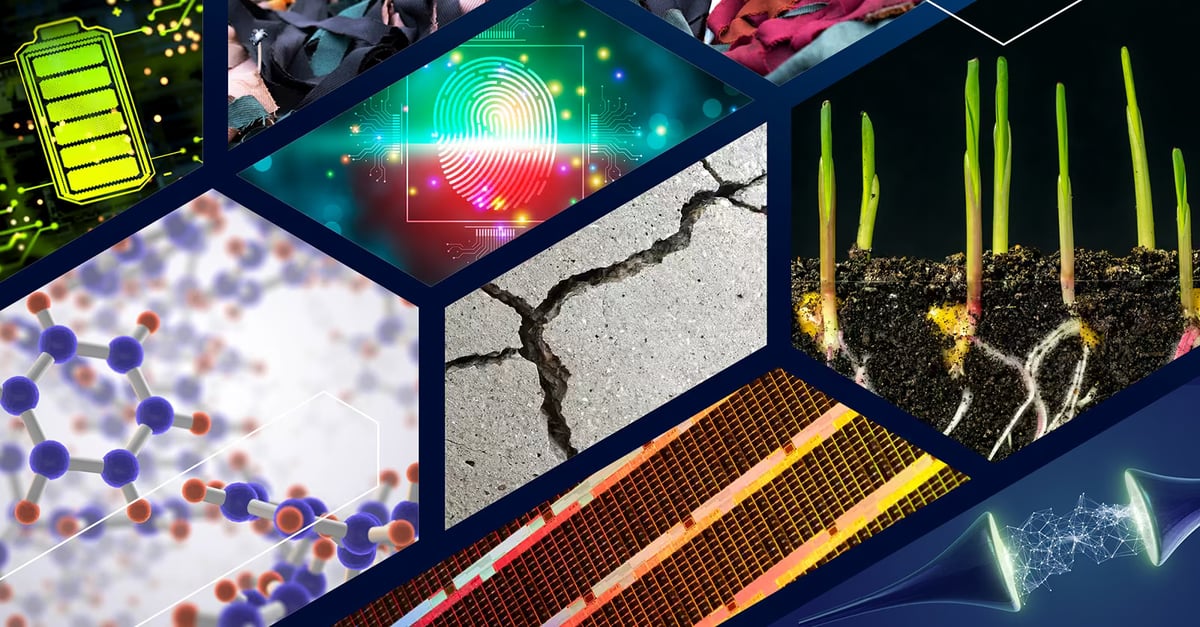
Humanity's capacity to understand and manipulate the natural world is accelerating at an unprecedented pace. The Council for Scientific and Industrial Research (CAS) published a forward-looking analysis of 2026's scientific breakthroughs, highlighting cross-disciplinary research trajectories in materials science, climate modeling, and biotechnology [https://www.cas.org/resources/cas-insights/scientific-breakthroughs-2026-emerging-trends-watch]. Similarly, Sciencing compiled the year's greatest scientific discoveries to date, emphasizing accelerated progress in renewable energy, space exploration, and genomic medicine [https://www.sciencing.com/2171796/greatest-scientific-discoveries-2026/].
Renewable Energy and Climate Modeling
The progress in renewable energy is particularly significant. Advances in materials science are leading to more efficient solar cells, while breakthroughs in battery storage are addressing the intermittency challenges of wind and solar power. These developments are not merely technical wins; they represent a pathway to decarbonization that was once considered out of reach. In parallel, improved climate modeling, powered by the same AI infrastructure discussed earlier, is providing policymakers with more accurate projections of future scenarios, enabling better adaptation strategies.
Genomic Medicine and Space Exploration
Genomic medicine is also seeing rapid advancement. The ability to sequence genomes quickly and cheaply, combined with AI-driven analysis, is unlocking new treatments for genetic disorders and personalized cancer therapies. Meanwhile, space exploration continues to expand humanity's horizons, with missions to the Moon and Mars moving from concept to reality. These endeavors reflect a dual impulse: to heal the Earth and to explore beyond it. The July 2026 Science News archive documents peer-reviewed advances and field observations, offering a recent evidence base for discussing humanity's scientific trajectory [https://www.sciencenews.org/sn-magazine/july-2026].
The Pace of Discovery
The convergence of these fields suggests that we are entering a new era of scientific synthesis. Problems that were once siloed—such as the intersection of climate change, agriculture, and public health—are now being addressed through integrated research programs. This acceleration demands that society keep pace, not just in adopting new technologies, but in developing the ethical frameworks and governance structures needed to guide their use.
Anchors of Memory and Identity: Cultural Observances
Technology and science do not exist in a vacuum; they are embedded in human societies shaped by history, culture, and memory. August 5, 2026, features a diverse mix of observances that remind us of the human dimension of our planetary journey. Key anchors include Burkina Faso Independence Day and Our Lady of Africa, alongside informal observances such as National Underwear Day, National Oyster Day, and Blogger Day [https://www.holidaycalendar.io/day/august-5-holidays] [https://www.checkiday.com/8/5/2026] [https://www.daysoftheyear.com/days/aug/05/].
Burkina Faso and the Legacy of Sovereignty
Burkina Faso's Independence Day serves as a poignant reminder of the struggles for self-determination that have shaped the modern world. It invites reflection on the ongoing quest for equity and justice, themes that resonate with the earlier discussion of AI-driven health equity. The observance of Our Lady of Africa highlights the enduring role of faith and spirituality in human life, offering a counterpoint to the secular, data-driven narrative of scientific progress.
Indigenous Stewardship and Youth Agency
Broader August themes include Indigenous Peoples' Day, International Youth Day, and the International Day for the Remembrance of the Slave Trade and its Abolition [https://www.holidaycalendar.org/observances/international/2026]. These observances directly intersect with discussions on planetary stewardship, equity, and historical memory. Indigenous communities, for instance, have long practiced sustainable land management that aligns with modern ecological science. Recognizing their contributions is not just a matter of justice; it is a practical necessity for addressing climate change. Similarly, International Youth Day emphasizes the role of the next generation in shaping the future, ensuring that the technologies and policies of today serve the needs of tomorrow.
Regional Civic Engagement
On a local level, community safety initiatives and historical commemorations, such as the recall related to the Prohibition era in Windsor, Ontario, highlight grassroots civic participation [Finding 6]. These stories emphasize the enduring relevance of historical memory in local governance and the importance of community organization in addressing contemporary challenges.
Vigilance and Vulnerability: Public Health and Safety

Despite advances in science and technology, humanity remains vulnerable to emerging threats. Reports note emerging public health outbreaks, underscoring the ongoing need for surveillance and rapid response capabilities [Finding 7]. An Air India turbulence incident has also been reported, highlighting continued challenges in aviation safety and weather prediction [Finding 7].
The Need for Continuous Surveillance
These incidents provide concrete entry points to discuss humanity's vulnerability and resilience. They align with the earlier finding on AI-driven immunotherapy and crop disease detection, illustrating the practical need for technological safeguards in health and transportation. The emergence of new pathogens, coupled with the effects of climate change on disease vectors, means that public health surveillance must be continuous and global. AI tools can enhance this surveillance by detecting patterns in large datasets, but they must be complemented by robust public health infrastructure and international cooperation.
Weather Prediction and Aviation Safety
The Air India turbulence incident also points to the limitations of current weather prediction models. While AI is improving our ability to forecast weather, the complexity of atmospheric dynamics means that surprises remain possible. This underscores the importance of investing in research to reduce uncertainty and improve safety in high-risk domains like aviation.
The Democratic Crucible: Information and Governance
The 2026 primary elections in the United States are proving to be highly competitive, reflecting intense political engagement and shifting voter priorities [Finding 5]. These elections take place against a backdrop of information ecosystem disruption, where AI-generated content poses both opportunities and risks for democratic discourse.
AI in Political Discourse
The "AI's Choice" channel is well-positioned to examine how information ecosystems impact voter decision-making. AI can help citizens access diverse perspectives and verify facts, but it can also be used to spread misinformation at scale. The Smithsonian culture conflicts have emerged as a microcosm of broader societal debates over historical narrative and institutional governance [Finding 5]. These conflicts highlight the importance of media literacy and the ethical deployment of AI in political discourse.
Windsor and the Prohibition Recall
Local stories, such as the Prohibition-era recall in Windsor, Ontario, offer additional insights into how communities navigate the tension between historical memory and contemporary values. These narratives remind us that democracy is not just a system of governance but a continuous process of negotiation and adaptation.
Conclusion: Humanity on Earth in August 2026
The evidence gathered for this edition of the SypherNet op-ed paints a picture of humanity on Earth defined by profound contradictions. We are building AI systems that can predict cancer treatments and detect crop diseases, yet we remain entangled in geopolitical disputes over chokepoints like the Strait of Hormuz. We are accelerating scientific discovery at a pace that would have seemed miraculous a generation ago, yet we face emerging public health outbreaks and aviation safety challenges that remind us of our fragility. We celebrate cultural observances that honor independence, stewardship, and youth, even as we grapple with the legacies of inequality and conflict.
The op-ed should argue that the path forward requires a synthesis of these forces. AI must be guided by ethical principles that prioritize equity and resilience. Geopolitical diplomacy must balance security concerns with the imperative of global cooperation. Scientific progress must be paired with governance that ensures its benefits are shared broadly. And all of this must be grounded in a deep respect for the cultural and historical contexts that give human life meaning.
In the end, the question of "humanity's planet Earth" is not just a scientific or technological one; it is a human one. It asks how we will use our capabilities to create a future that is not only advanced but also just, sustainable, and worthy of our highest aspirations. The answer lies not in any single breakthrough or policy, but in the continuous, collective effort to align our tools with our values. This is the challenge of our time, and it is one that demands the engagement of every citizen, every institution, and every generation.